

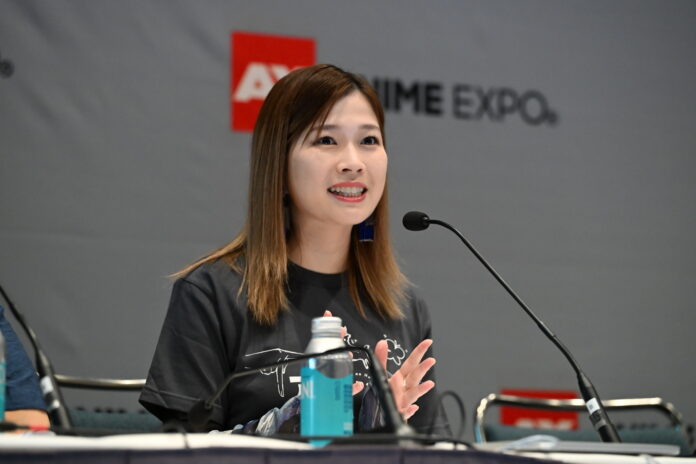
Yumeka Kido enters the second season of “Blue Box” carrying more than basketball talent. She brings a complicated history with Chinatsu Kano, unresolved emotional wounds and a sharpness unlike anything the series has explored before.
Season 2 of the sports romance anime is scheduled to begin airing Oct. 4 in Japan and will stream exclusively on Netflix beginning in October. Before then, its first two episodes will receive an advance screening Sept. 6 at TOHO Cinemas Hibiya in Tokyo, with members of the Japanese cast scheduled to appear.
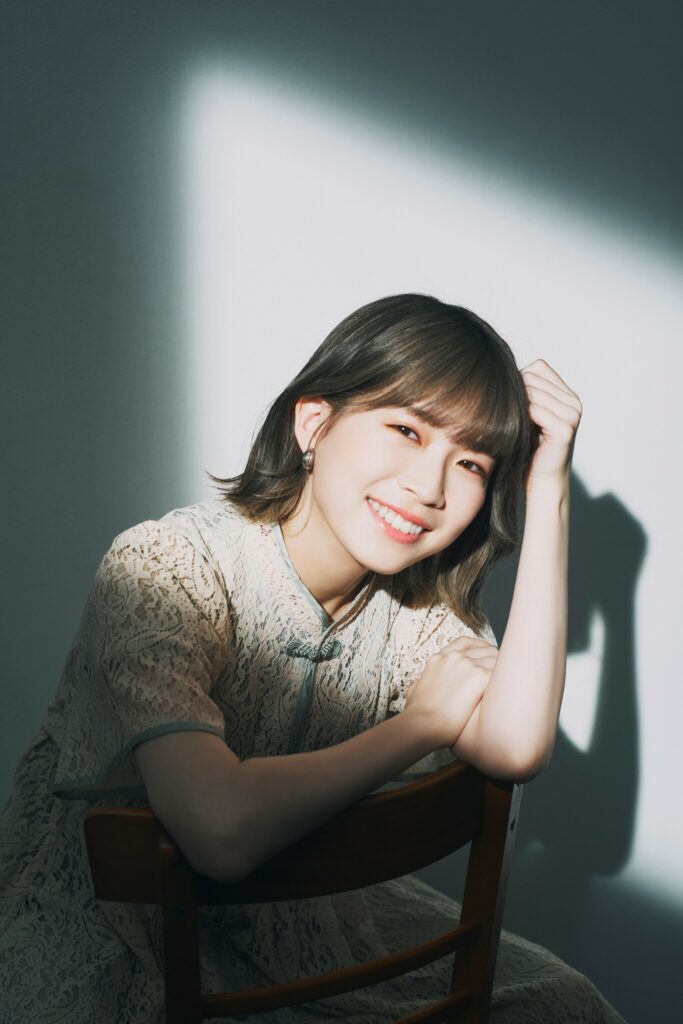
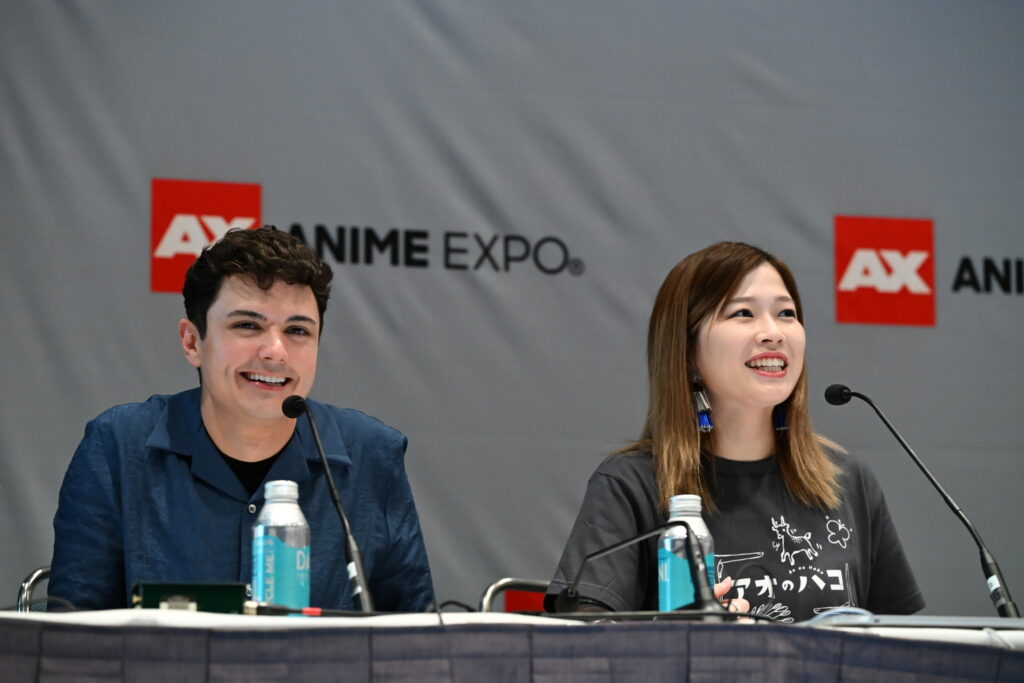
The new season was previewed during the official “Blue Box” panel at Anime Expo in Los Angeles, where Yumeka’s Japanese voice actor, Yoshino Aoyama, appeared alongside producer Hiroto Matsukuma and Zach Aguilar, the English voice of Taiki Inomata.
Following the panel, AnimeTV spoke with Aoyama and Matsukuma about introducing Yumeka, finding the vulnerability beneath her confrontational personality and adapting her history with Chinatsu without disrupting the relationships viewers embraced during the first season.
Aoyama said joining an established series came with immediate pressure.
“Since both the original manga and the anime are truly loved by so many people, being involved in Season 2 came with a great sense of responsibility,” she said.
That responsibility was heightened by how different Yumeka feels from the characters who have previously populated the series. Aoyama initially questioned whether she could fully embody the character’s distinct personality, but the production team’s confidence in casting her ultimately strengthened her own.
“Knowing that the staff had cast me as Yumeka gave me confidence, and I approached the role with that mindset,” she said.
Yumeka is a former basketball teammate of Chinatsu, one of the series’ central characters. Chinatsu once admired her as a player, but the relationship between them has since become strained. In the Season 2 teaser, Yumeka directs harsh words and a guarded attitude toward her former teammate.
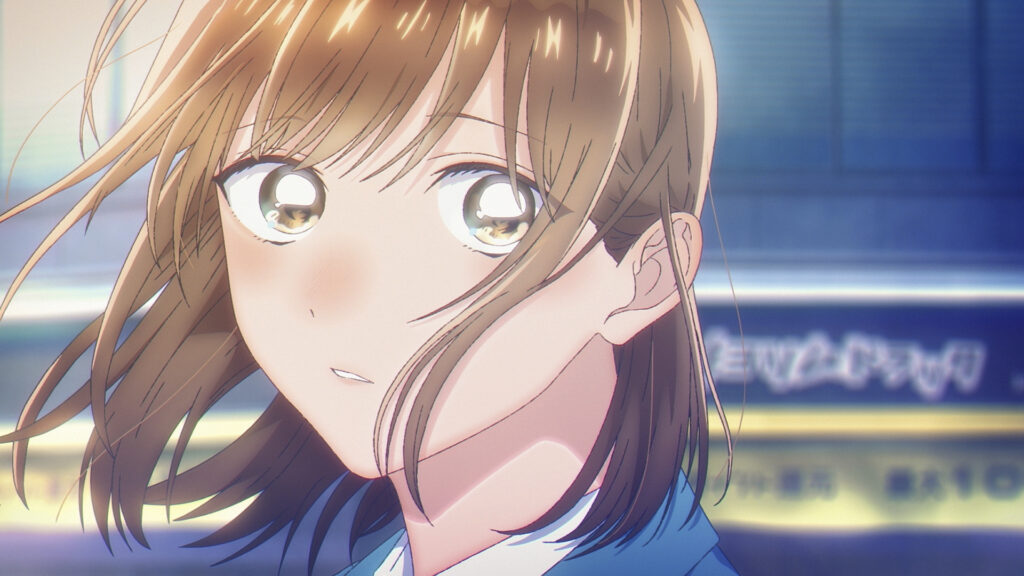
Aoyama said those actions are rooted in the setbacks Yumeka has endured and the complicated feelings she still carries toward Chinatsu.
“The Yumeka we see now exists because she has endured various setbacks and struggles,” Aoyama said. “I think many people will find parts of themselves reflected in her journey.”
That emotional connection became central to Aoyama’s performance. Before taking the role, she had spoken candidly about recognizing Yumeka’s jealousy and understanding what it feels like to see oneself in a darker light when standing beside someone admired.
“We live in a world where we’re constantly comparing ourselves to others, or being compared by others,” she said.
Although people can choose not to focus on those comparisons, Aoyama said she has often been the type to identify her own flaws, compare herself with others and become discouraged.
“For someone like me, being able to use those negative emotions in a role felt less like a burden and more like a stroke of luck,” she said.
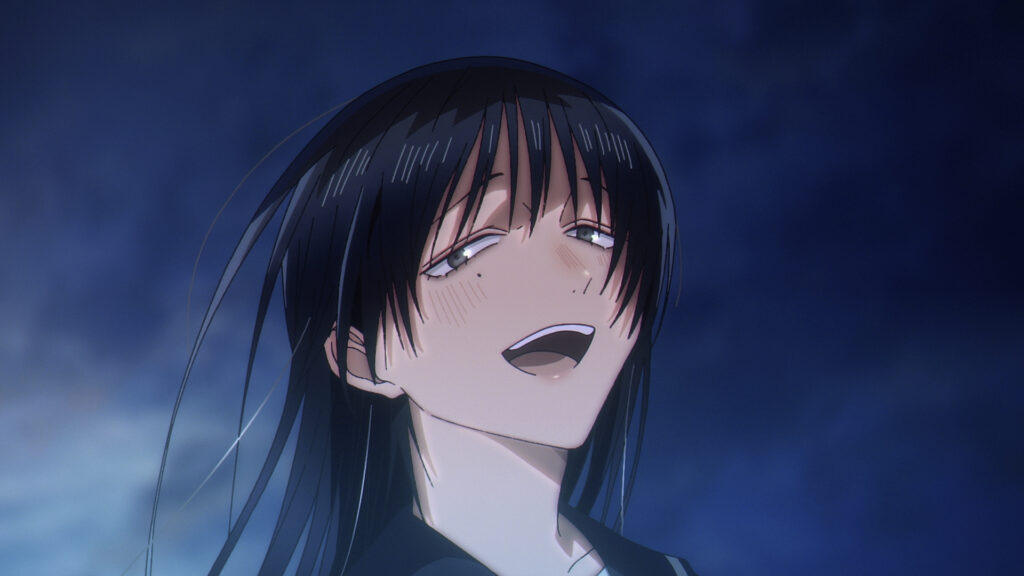
That personal connection also helped Aoyama balance Yumeka’s sharper qualities with the vulnerability needed to keep her understandable. Rather than deliberately emphasizing the character’s aggression, Aoyama worried that pushing those qualities too hard would make the performance feel excessive and undermine its realism.
She instead allowed Yumeka’s emotions to develop naturally, trusting the similarities she recognized between herself and the character.
“In a way, I may have approached the role with confidence born from that similarity,” Aoyama said.
Yumeka’s shared history with Chinatsu created another challenge. She is new to the anime’s cast, but she is not new to Chinatsu. Their relationship predates many of the connections viewers have already seen develop.
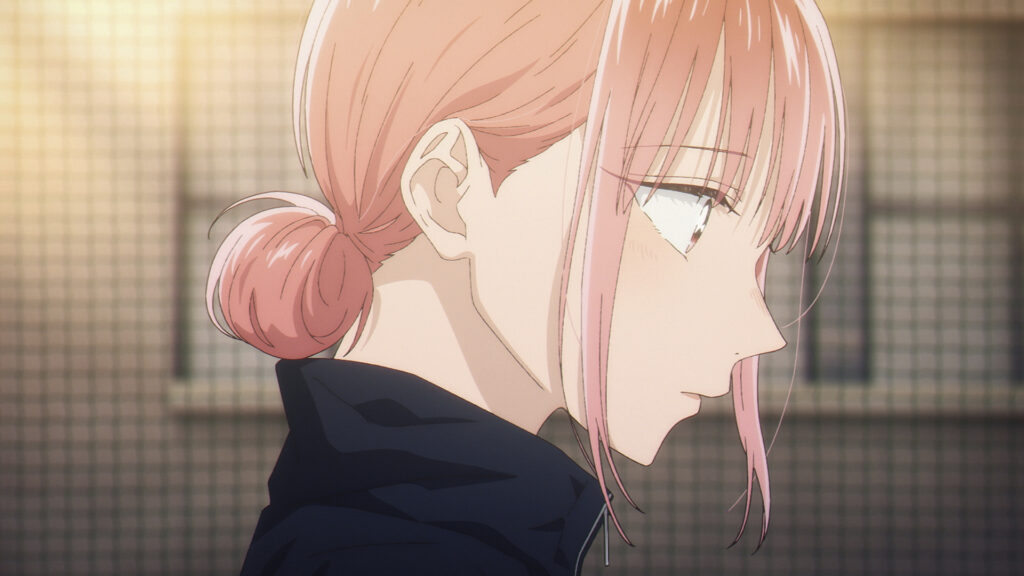
Aoyama said she wanted to avoid making Yumeka sound like someone who had simply appeared without an established place in the story. Although she was nervous during her first “Blue Box” recording session, she worked to separate that nervousness from the character.
“Those feelings belonged to me, not to Yumeka,” she said. “Yumeka is Yumeka, after all.”
The collaborative environment in the recording booth helped her settle into the role. Aoyama frequently watched Shoya Chiba, who voices Taiki, and Reina Ueda, who voices Chinatsu, discuss their performances after test recordings. The two would compliment moments that felt particularly authentic to their characters.
After recording one episode, Chiba offered Aoyama similar encouragement.
“Yumeka was great too,” he told her.
“That made me really happy,” Aoyama said.
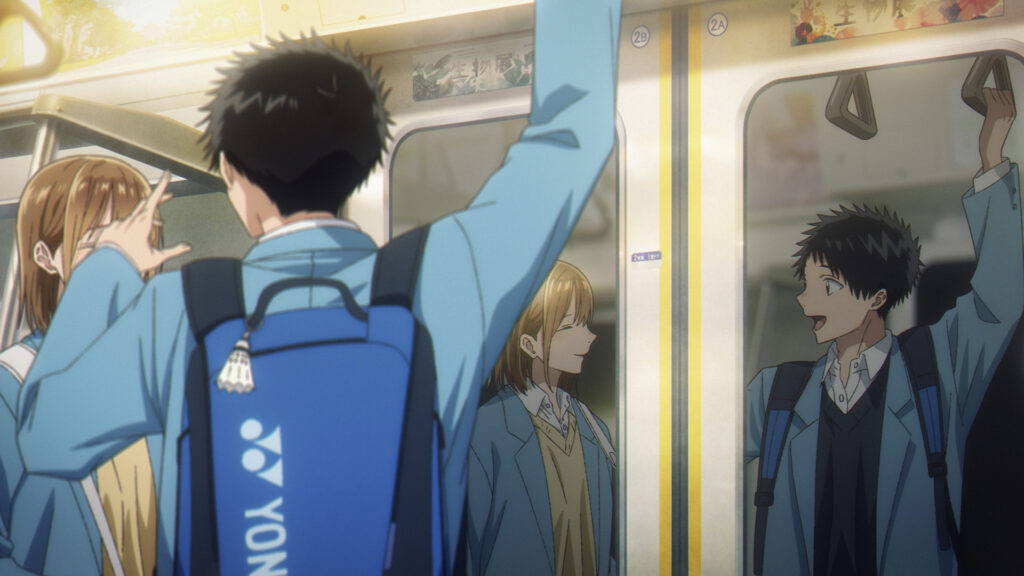
For Matsukuma, Yumeka’s introduction did not require the anime team to reinvent the character or alter the structure established by manga creator Kouji Miura. The production followed the source material’s timing and characterization, the same approach it takes with every new addition to the cast.
Yumeka’s personality, however, gave the team an opportunity to present a different tone in the promotional material.
“Yumeka was unlike any character who had appeared in ‘Blue Box’ so far,” Matsukuma said.
The team created a slightly ominous atmosphere in the teaser by placing Yumeka at the end and pairing her appearance with one of her most impactful lines. The decision positioned her as an immediate source of tension while preserving the questions surrounding her past with Chinatsu.
Casting the role required the production team to look beyond its first impression of the character. When Matsukuma initially read the manga, he imagined Yumeka as aggressive and expected her to have a somewhat husky voice.
After listening to multiple auditions, he realized vocal texture was not the defining quality the role needed.
“What mattered more was the sense that she carried emotional wounds,” Matsukuma said. “She initially comes across as dark and guarded, but gradually opens her heart and changes.”
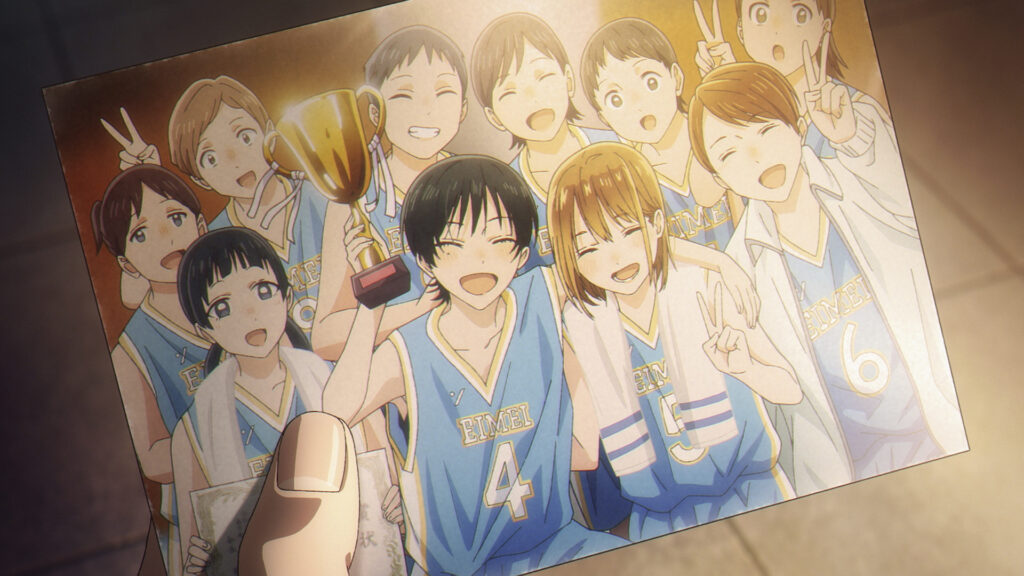
Aoyama distinguished herself by capturing the full range of those emotions. Matsukuma said she conveyed Yumeka’s coolness alongside the vulnerability, kindness and sadness she only occasionally allows others to see.
“Her range as an actress is incredibly broad, and simply from hearing her voice, I could immediately picture Yumeka moving and living within the story,” he said.
Support for Aoyama’s casting extended across the production team, which ultimately selected her for the role.
Introducing a character with such a strong connection to Chinatsu could have disrupted the chemistry established during the first season. Matsukuma said the team avoided that problem by trusting the foundation Miura had already created in the manga.
“The relationship between Yumeka and Chinatsu was already carefully developed in the original manga,” he said.
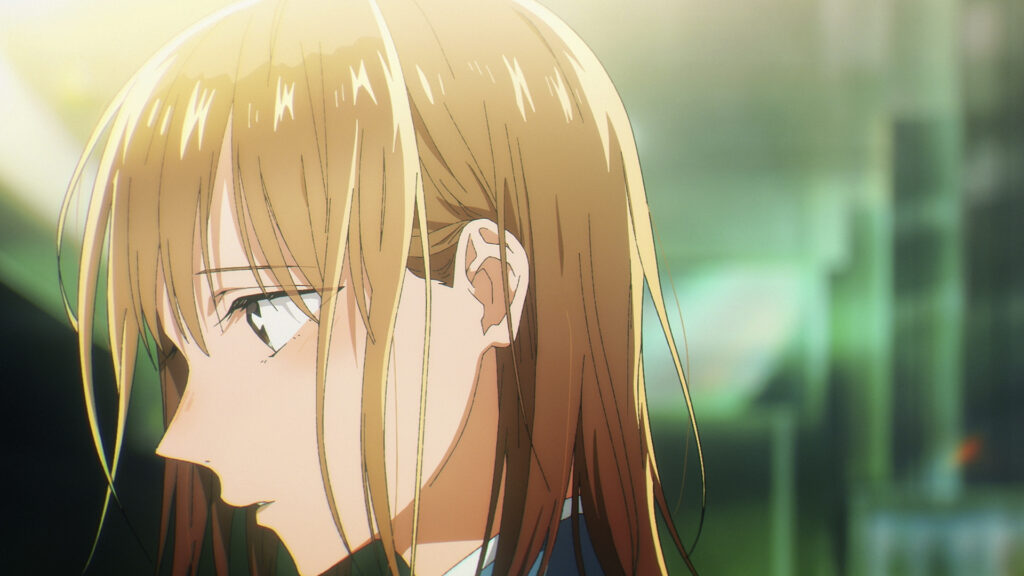
Rather than adding new material to force Yumeka into the ensemble, the production focused on adapting the source as faithfully and carefully as possible. Matsukuma said the principal differences between manga and anime come from movement, color, voices and music. Each department must understand the characters well enough to ensure those additions feel consistent with the original work.
The director shapes the characters’ movements and expressions, while the voice actors complete them through their performances. When that collaboration works, Matsukuma said, new characters naturally feel at home within the story.
Yumeka’s arrival is only one part of a season that Matsukuma described as filled with major developments in both sports and romance. Taiki and Chinatsu will continue growing closer, but the emotional changes will extend beyond the central pair and affect relationships throughout the cast.
“There’s a line in the story that says, ‘Love is the strongest emotion,’” Matsukuma said. “I believe that idea exists not only within the main characters, but within the lives of every high school student who appears in ‘Blue Box.’”
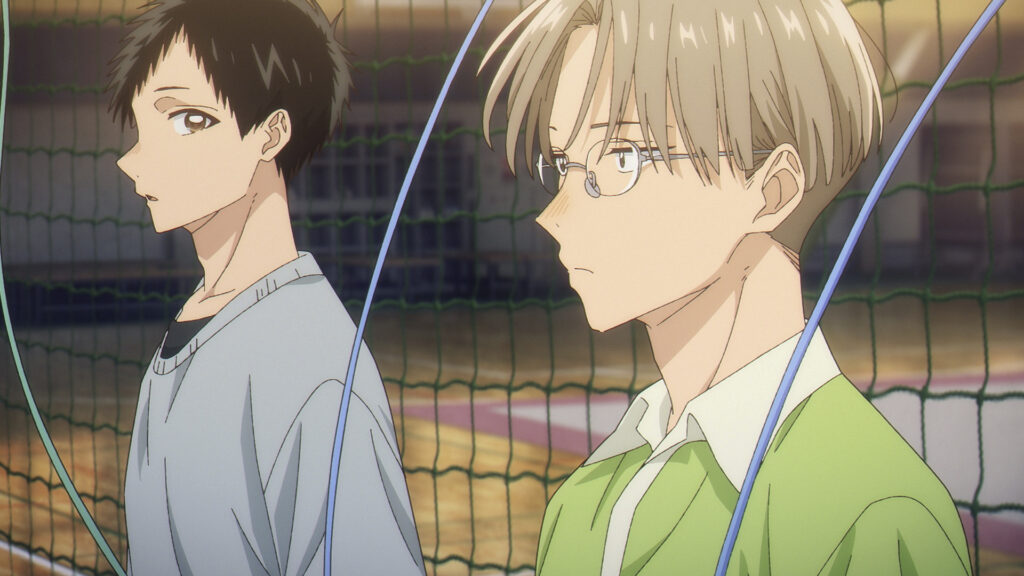
He hopes both returning fans and first-time viewers will follow the gradual changes in the characters’ feelings and relationships with excitement and anticipation. Above all, he wants Season 2 to deliver that central message about the power of love.
Aoyama hopes viewers will extend that understanding to Yumeka, even if their first impression of her is negative.
“At first, viewers might think that she’s a ‘mean girl,’” she said.
As the season progresses, however, the experiences behind Yumeka’s behavior will gradually come into focus. Her pain may be more visible than that of the other characters, but Aoyama believes the emotions beneath it are nearly universal.
“I hope fans will cherish the ‘Yumeka’ that lives somewhere within their own hearts,” she said.
————
AnimeTV チェーン bringing you the latest anime news direct from Japan ~ anytime! — Your new source of information!