


For most of the past two decades, MAPPA was the kind of name only animation diehards recognized, the studio you thanked in the credits after another painstakingly drawn fight scene, then forgot about until the next one. That arrangement, in which Japan’s animation houses serve as polished but disposable subcontractors to the production committees that actually own the shows, has defined the industry since the 1990s. It is also, increasingly, the arrangement MAPPA wants no part of.
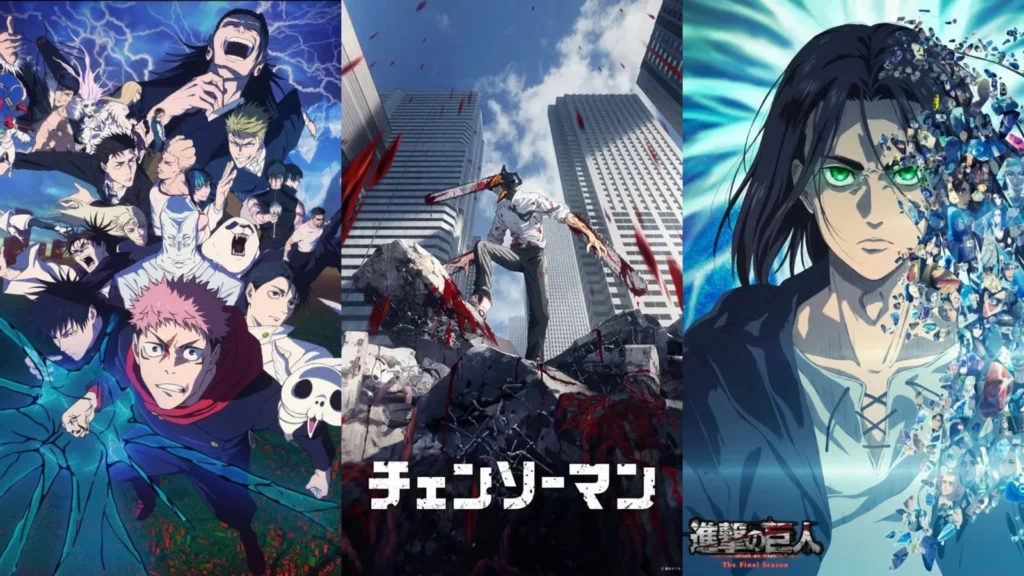
The Tokyo-based studio, best known for shows like “Jujutsu Kaisen,” “Attack on Titan: The Final Season” and the runaway theatrical hit “Chainsaw Man — The Movie: Reze Arc,” is in the middle of a quiet but unmistakable pivot. Rather than signing on as a hired brush for someone else’s franchise, MAPPA is putting its own money on the table, taking equity stakes in the projects it animates and, in a growing number of cases, holding the copyright outright. Industry trade reporting and recent coverage in the Japanese business press peg the number of titles MAPPA now controls in some form at roughly 10 — a small slice of its overall catalog, but a meaningful one in a business where IP ownership is the whole game.
If the strategy works, it could rearrange how money moves through Japanese animation. If it stumbles, MAPPA risks becoming the cautionary tale that critics have already begun to write.
To understand why MAPPA’s gamble matters, it helps to remember how anime profits are typically split. A traditional production committee — the seisaku iinkai — pools investment from a publisher, a broadcaster, a music label, a toy maker, a streamer and sometimes a talent agency. The committee finances the show. The committee owns the show. And when the show becomes a global hit, the committee keeps the licensing fees, the merchandise royalties, the theatrical receipts and the streaming windowing rights.
The animation studio, the one with hundreds of artists drawing 24 frames per second of explosions and tears, is generally paid a flat production fee. That fee does not scale when “Chainsaw Man” becomes a cultural moment in Los Angeles, Sao Paulo, and Seoul. It does not scale when a Funko Pop ships its millionth unit. It does not, in many cases, scale at all.
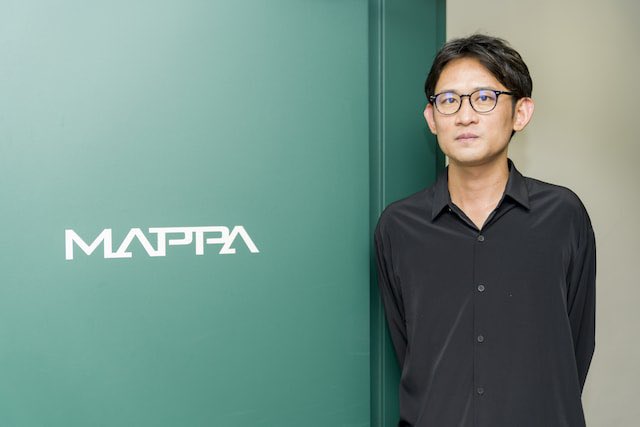
MAPPA’s answer is not radical in concept; it is radical in execution. The studio is co-financing, and in select cases solely financing the projects it animates, which entitles it to a seat on the production committee or, better still, removes the committee structure altogether. CEO Manabu Otsuka has signaled for years that the studio intended to move “upstream” of the value chain, and the company’s recent slate shows the strategy maturing from rhetoric into balance-sheet reality.
Holding rights to roughly 10 works does not make MAPPA a Disney or a Toei. But it does mean the studio now collects a share of merchandising on those titles. It means streaming licensing flows back to the company that made the show. It means that when a sequel film grosses billions of yen at the Japanese box office and tens of millions of dollars internationally, the animators who delivered it are working for an employer with the financial capacity — at least in theory — to pay them better.
That last point is the moral case for the pivot, and MAPPA has not been shy about making it. Animator wages in Japan have been a chronic embarrassment for the industry, with junior in-betweeners historically earning less than convenience-store clerks. A studio that owns its hits has more room, and arguably more responsibility, to fix that math.
Layered on top of the IP push is MAPPA’s deepening relationship with Netflix, which has become a critical distribution and co-financing partner for Japanese animation studios willing to think globally. MAPPA has produced multiple Netflix-affiliated titles in recent years, and the streamer’s appetite for prestige anime — coupled with its willingness to bankroll production in exchange for global rights, has given studios like MAPPA a credible alternative to the traditional committee.
The strategic logic cuts both ways. A Netflix deal can underwrite a season of expensive production without forcing MAPPA to share rights with a half-dozen Japanese investors. It can also, depending on how the contract is structured, hand a foreign platform the long-tail value that MAPPA is trying to capture for itself. The studios that come out of this era ahead will be the ones that negotiate windowing, merchandising and sequel rights carefully — keeping enough of the upside in-house that the Netflix money funds the next original, rather than financing someone else’s library.

For MAPPA, the Netflix relationship appears to function as a hedge. Domestic committees still finance much of the studio’s output, and Netflix co-productions provide a separate, parallel pipeline in which MAPPA can experiment with retaining a larger ownership share. Either way, the cash from a global streamer is what makes the IP-ownership strategy economically possible in the first place. Without that runway, a mid-sized studio cannot self-finance the kind of theatrical-grade animation MAPPA has become known for.
Not everyone is cheering. As MAPPA has accumulated marquee titles — “Jujutsu Kaisen,” “Chainsaw Man,” “Hell’s Paradise,” “Vinland Saga” Season 2, the closing run of “Attack on Titan” — a vocal slice of the fandom has begun to argue that the studio is becoming too central, taking on more than it can handle and squeezing freelancers in the process. The critique has two flavors. The first is creative: MAPPA is overcommitted, schedules are tight, and the quality on some recent productions has been uneven. The second is structural: a single studio amassing rights to a generation of hit shonen adaptations starts to look less like reform and more like consolidation.
Is the monopoly charge fair? Not on the numbers. MAPPA controls a tiny fraction of the Japanese animation production volume in any given season, and “owning” 10 titles in a market that produces hundreds of new shows a year is not market dominance by any reasonable definition. Toei Animation, Aniplex, Bandai Namco Filmworks and Kadokawa each command IP libraries that dwarf MAPPA’s. So studio is not holding a monopoly in any means, but rather seems just attempting to further improve its portfolio.
The schedule and labor critique is more substantive, and MAPPA has not always answered it well. Reports of grueling production timelines on its biggest shows have been a recurring feature of online discourse, and the studio’s own staff have, at times, been candid about the strain. Owning more rights does not automatically translate into better working conditions. It only creates the possibility of better working conditions, contingent on management choosing to spend the new revenue on the people who generated it. That is the test MAPPA will be judged on, and it is the right test. The point of moving upstream is not corporate vanity. It is to fix a system in which the value created by Japanese animators has, for decades, been captured almost entirely by other people.
Three signals will tell the rest of the story. First, watch MAPPA’s hiring and compensation disclosures. A studio collecting rights revenue should be able to demonstrate, year over year, that animator pay is climbing faster than at peer studios still locked into the subcontractor model. Second, watch the Netflix slate. The terms MAPPA negotiates on its next major streaming-funded original — particularly around merchandising and sequel rights — will reveal whether the studio is genuinely retaining IP value or quietly trading it away for production budget. Third, watch the committees. If “Chainsaw Man — Reze Arc” producers and similar projects start listing MAPPA in the top investor slot rather than the bottom, the pivot will have moved from press release to industry standard.
For now, MAPPA’s bet is the most interesting structural experiment running in Japanese animation. It is not a revolution. It is something more useful: a working studio betting its own balance sheet that the people who make anime should own a larger piece of what anime becomes. If it pays off, the rest of the industry will have to decide whether to follow — or whether to keep explaining, year after year, why the artists behind the world’s most exportable medium are still the last to get paid.
————
AnimeTV チェーン bringing you the latest anime news direct from Japan ~ anytime! — Your new source of information!