

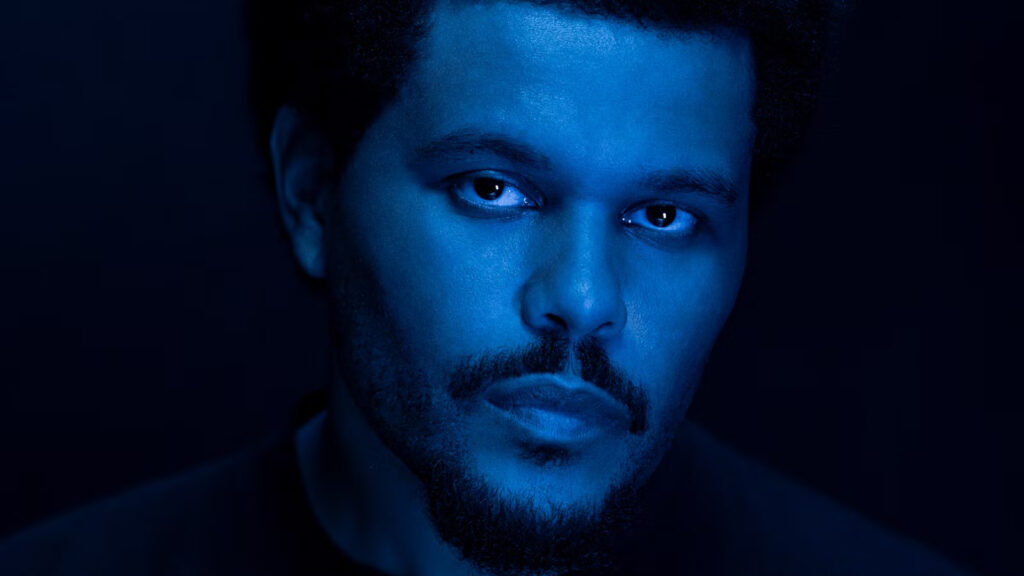
In January 2017, Crunchyroll held its very first Anime Awards. There was no red carpet, no live orchestra, no global celebrity presenters. The results were announced online, 1.8 million votes were cast, and Yuri on Ice swept all seven of its nominations from a pool of 14 categories. It was modest by any standard, a sincere but scrappy gesture from a streaming platform that believed anime deserved formal recognition. Nine years later, The Weeknd stood on a stage in Tokyo to announce Anime of the Year. That distance tells you everything.
The milestone 10th Crunchyroll Anime Awards, held Saturday at the Grand Prince Hotel New Takanawa in Tokyo, was the ceremony’s biggest production to date. The category count has more than doubled from that first edition. The nominee pool has deepened. The global presenter lineup has grown to include figures like Winston Duke, RZA of Wu-Tang Clan, Young Miko, and BamBam — people who represent anime’s reach not just in Japan but across hip-hop, pop, film, and K-pop. And the Anime of the Year award was handed out by one of the most influential musicians alive, who credited Samurai Champloo and the works of Satoshi Kon as foundational to his entire artistic identity. Presenting not as a celebrity cameo but rather a genuine cultural moment.
One of the most meaningful things Crunchyroll has done over these ten years is give the professionals in this space. The directors, composers, voice artists, animators, and background artists who pour their lives into this medium. A formal stage to be recognized. The category expansion over the years reflects that commitment. Best Background Art. Best Director. Best Score. Best Voice Artist Performance across eight languages. These are not afterthoughts. They are acknowledgments that anime is a craft practiced by real artists who deserve to have their work seen and celebrated, not just consumed. A ceremony that started with 14 categories now honors the full breadth of what makes this art form work, and that evolution should not go unappreciated.
The celebrity component of the ceremony deserves particular credit. It would be easy to dismiss star-studded presenter lineups as pure spectacle, but what Crunchyroll has consistently done is invite people who actually live inside this culture. Megan Thee Stallion did not show up in a Bruno Bucciarati cosplay because she was paid to care. She showed up because she genuinely does, a lifelong fan who started with Inuyasha on Adult Swim and has been publicly enthusiastic about anime long before it was fashionable in mainstream celebrity circles. The Weeknd’s connection runs just as deep. His statement that he “wouldn’t be here without anime” is not PR language — the atmospheric quality of his work and his documented influences from Satoshi Kon and Mamoru Oshii speak for themselves. Crunchyroll has been smart enough to find people whose relationship with the medium is real, and that authenticity elevates the entire ceremony.
As for the results themselves — a personal scorecard lands somewhere around a 6 out of 10, which is less a criticism than an honest accounting of a mixed night. Some wins landed cleanly. Others will fuel conversation for months, which is its own kind of compliment.
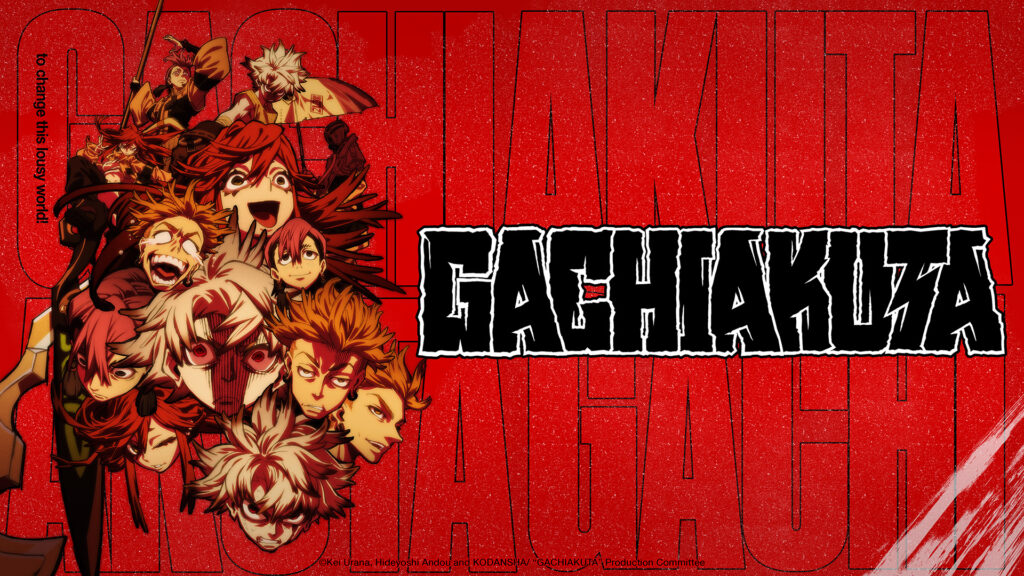
The wins that felt most earned were in the craft categories. Gachiakuta’s trio of awards — Best New Series, Best Character Design, and Best Background Art rewarded a show that earned its recognition through genuine visual ambition rather than name recognition. Maomao winning Best Anime Main Character, backed by Aoi Yuki’s exceptional Japanese voice performance, was well-supported. DAN DA DAN Season 2 taking Best Comedy Anime was both expected and correct. Its Best Opening Sequence win for “On The Way” is the one result that prompts a mild second look, not because it was a poor choice, but because it was a genuinely competitive category. It is a great opening. Whether it was the best one is a conversation fans will keep having.
Solo Leveling’s wins for Best Action Anime and Best Animation were, from a fan-voting standpoint, entirely predictable. The show commands one of the most organized fanbases in the space and its wins reflected that. The more interesting craft question those results raise is whether My Hero Academia’s final season, closing out a decade long arc with real emotional stakes had a stronger argument in either category on pure artistic grounds. That debate is legitimate and worth having, even if the outcome itself was never really in doubt.
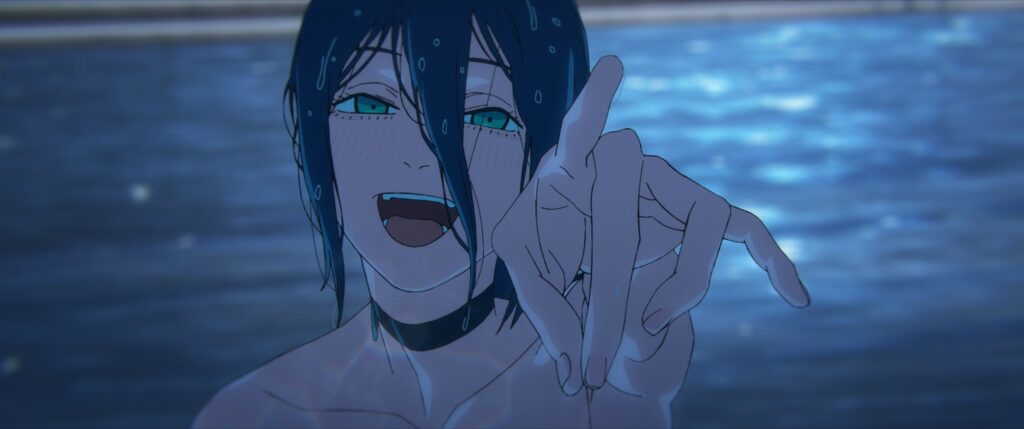
The film category produced the night’s most layered result. Demon Slayer: Kimetsu no Yaiba — Infinity Castle winning Film of the Year was, given its historic box office performance, about as close to a predetermined outcome as these awards get. A film that broke records in Japan and drew massive global audiences was always going to be difficult to beat at a fan-voted ceremony regardless of what else was nominated. That said, a genuine case exists for Chainsaw Man: The Movie — Reze Arc as the more artistically significant release of the year from a narrative standpoint. Kensuke Ushio’s score for that film was exceptional and one of the more distinctive and emotionally precise pieces of work in recent anime history and its absence from the Best Score winner’s podium is the one result that stings a little for fans who felt the film was operating at a different level creatively. Infinity Castle winning was expected. Reze Arc deserved more of the conversation than it received.
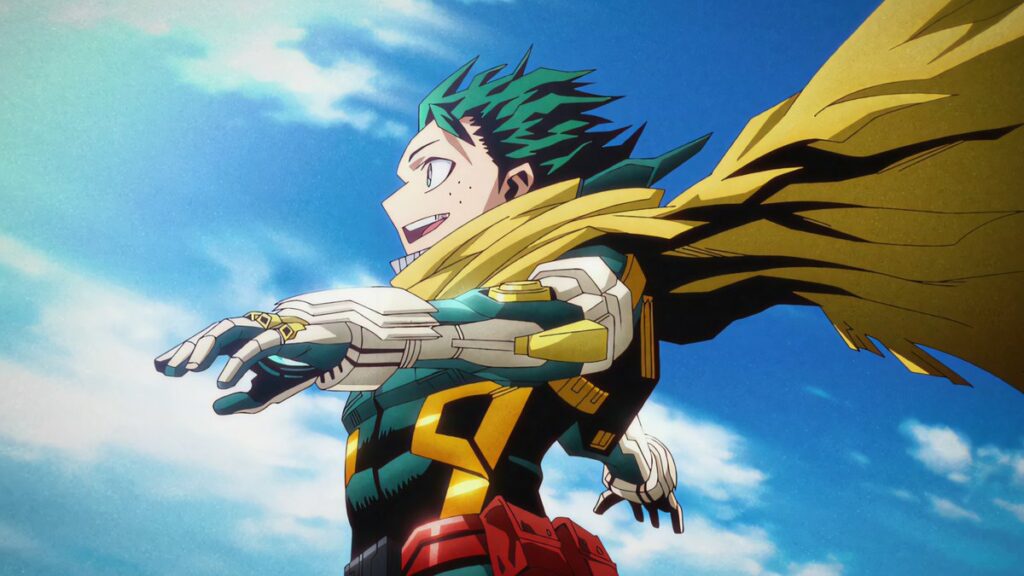
My Hero Academia winning Anime of the Year in its final year of eligibility feels like the right send-off for a show that has appeared in these awards since the very first edition in 2017, when Izuku Midoriya won Hero of the Year. The show’s presence in this ceremony stretches across the entire lifespan of the Crunchyroll Anime Awards. There is real poetry in that arc ending here, on the 10th anniversary, with the same character the fanbase grew up alongside.
The Crunchyroll Anime Awards are not perfect, and no awards ceremony ever is. The tension between fan enthusiasm and artistic merit will remain part of the conversation for as long as the show runs. But that conversation is worth having precisely because the ceremony has grown into something significant enough to matter. A 14-category online announcement from a San Francisco watch party to a full live production in Tokyo with a globally recognized musician on stage in ten years, Crunchyroll built something real for the medium that is worth celebrating.
————
AnimeTV チェーン bringing you the latest anime news direct from Japan ~ anytime! — Your new source of information!