

This review is spoiler-free, discussing the series’ premise, characters and themes without revealing major plot developments.
Decades of expectations accompany every new adaptation of “THE GHOST IN THE SHELL“. From Shirow Masamune’s manga to its many screen interpretations, the franchise has built a reputation around questions of consciousness, identity and humanity’s relationship with technology. That history gives a new series plenty to work with, along with an audience that already has strong ideas about how this world should look and feel.
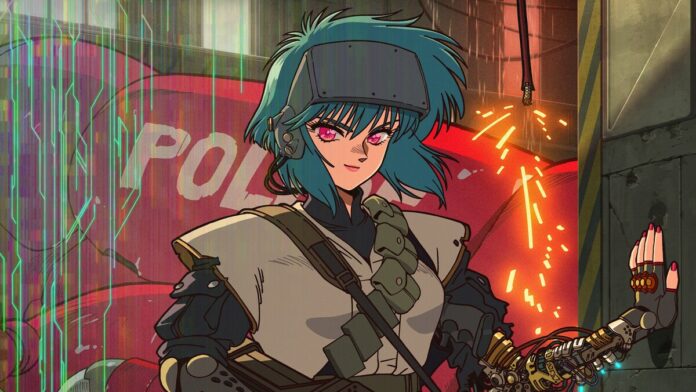
Science SARU’s 2026 adaptation makes a particularly appealing case for returning to that world. Its expressive animation and irreverent humor draw attention to the people living inside it. Motoko Kusanagi and her team are allowed to be funny, opinionated and engaging, giving the familiar philosophical concerns a more personal foundation.
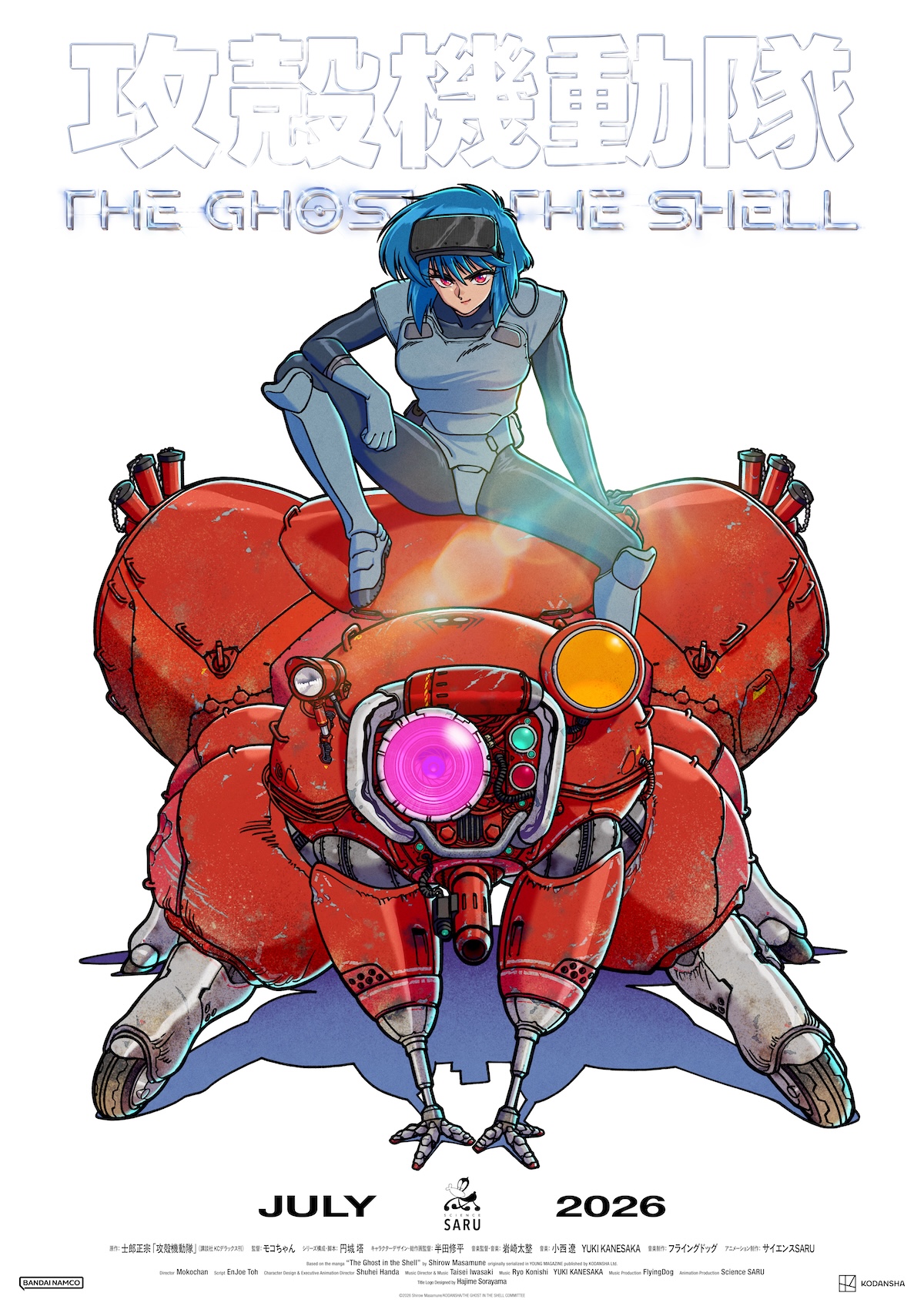
What I enjoyed most was how comfortably the series brought those qualities together. The action and adult themes give the story weight, while the humor and strong performances make its characters a pleasure to follow. It remains interested in what makes a person human, and it gives viewers plenty of reasons to care about the people asking that question.
Directed by Mokochan, with scripts by EnJoe Toh and character designs by Shuhei Handa, the series draws from Shirow Masamune’s manga, which began in 1989. Its visual approach evokes the source material’s era while allowing the animation to move with a contemporary style.
Set in Japan in 2029, the story follows Motoko Kusanagi, a full-body cyborg who leads the tactical operations of Public Security Section 9. The team investigates cybercrime and international conspiracies, eventually encountering the mysterious Puppet Master, whose ability to manipulate human memories threatens the boundary between personal experience and outside control.
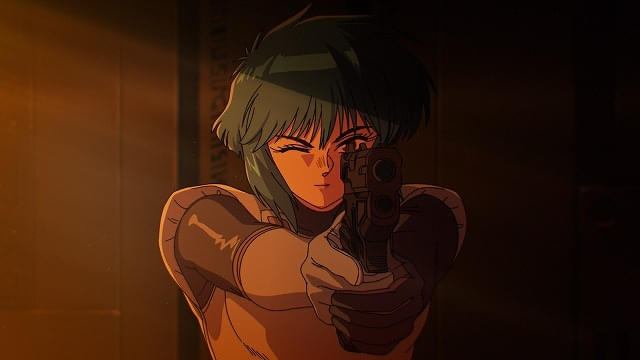
The animation was the first thing that drew me in. Its brighter palette offers a welcome change from the gray, subdued imagery associated with several earlier adaptations. Those approaches served their own interpretations of the material. Here, the colors make the setting feel lively and inhabited, with an atmosphere that accommodates the pleasure of simply watching these characters interact.
The expressiveness is just as important. Science SARU allows faces and bodies to communicate attitude, frustration and amusement through broad gestures and exaggerated reactions. That flexibility gives conversations their own visual appeal, while the action benefits from the same sense of momentum. The show repeatedly finds opportunities to make movement entertaining and in some instances, breathtaking.
That personality extends to the tone. “THE GHOST IN THE SHELL” remains an adult series, with violence, sexuality and complicated political interests shaping its world. Its humor belongs comfortably within that setting. The characters can joke, argue and behave impulsively while still facing consequences that give their work weight.
This was one of the aspects I enjoyed most. The lighter moments allow the cast to seem familiar with one another, and that familiarity makes the danger more involving. Their relationships continue to exist during the action, giving the team a sense of life beyond the requirements of an investigation.
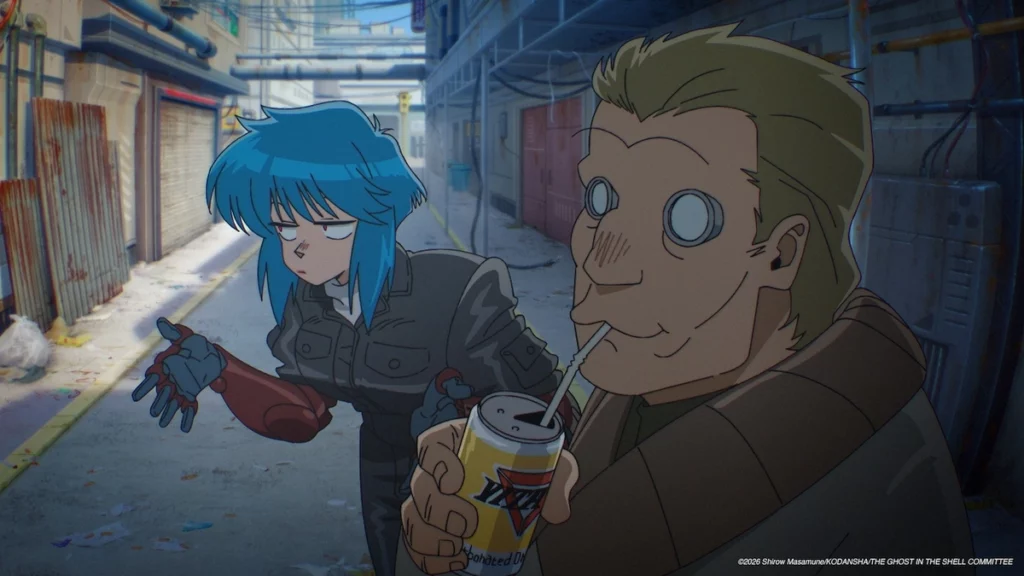
Motoko is the strongest example of how well that approach works. Her ability to command a situation remains central to her appeal, and her humor gives that confidence another dimension. Her personality shapes the atmosphere around her, making her leadership convincing while also making the time spent in her company enjoyable and slightly cheeky.
That combination makes her especially enjoyable to follow. Motoko can be intimidating, funny and curious, sometimes within the same exchange. Her confidence gives the story direction, while her irreverence makes her feel approachable enough to care about. The characterization allows her to remain impressive without placing her beyond ordinary human behavior.
Her exchanges with Batou help sustain that energy. Their familiarity gives the dialogue an ease that makes the team engaging even between major developments in an investigation. Those interactions matter because they give viewers a reason to care about the relationships that the action puts under pressure.
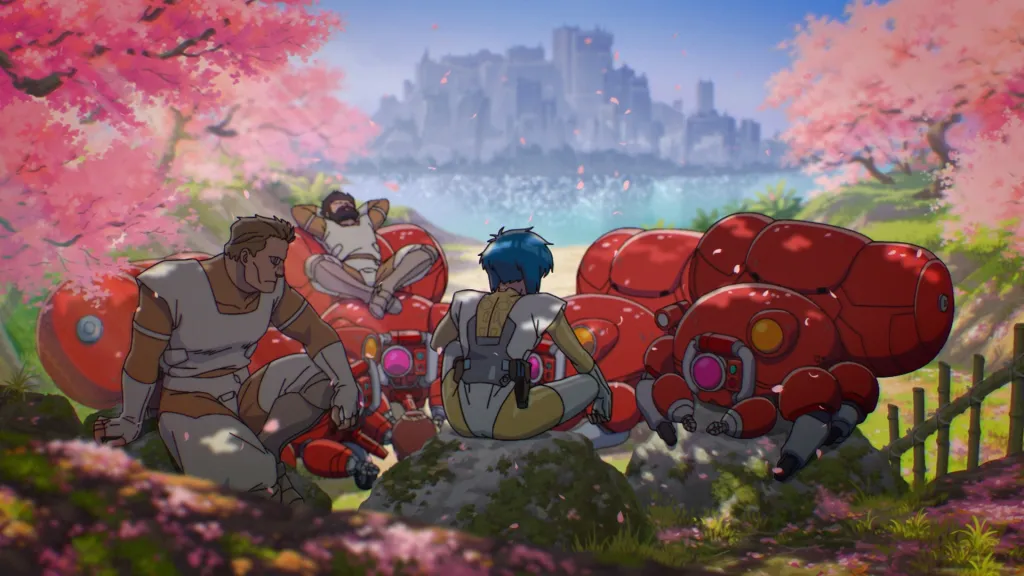
The English dub strengthens these qualities. Suzie Yeung, who voices Motoko, gives the character an assured presence that accommodates both her authority and her humor. I particularly enjoyed how the performance supports those different sides of her personality. The delivery makes the teasing effective while maintaining the confidence needed for her leadership to remain convincing.
The ensemble gives the team’s conversations similar appeal. The performances sustain the rapport among the characters and help carry dialogue that can become technically demanding. The dub contributes substantially to the show’s entertainment value, making the personalities as engaging to listen to as they are to watch.
The storytelling does require attention. Its technological vocabulary, investigations and competing political interests can make the world difficult to absorb immediately. As the narrative still asks viewers to keep up.
The deeper themes reward that involvement. The relationship between memory and identity becomes especially unsettling when memories can be altered by someone else. The threat reaches into a person’s understanding of their own life, complicating the trust they place in their experiences and choices.
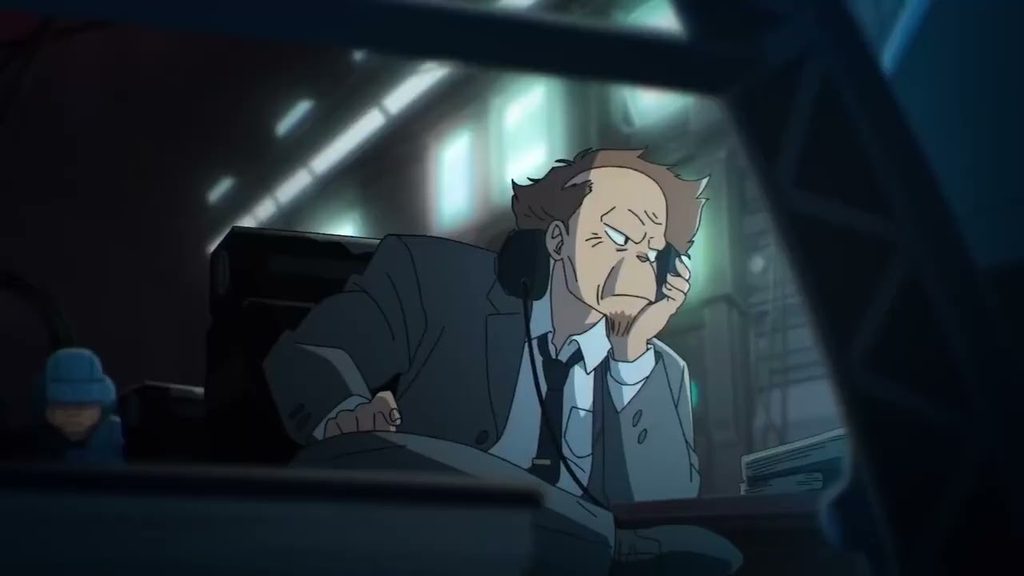
Motoko gives those concerns a personal foundation. Her artificial body exists alongside an unmistakable sense of individuality: her humor, desires and reactions make her recognizable as a person. That connection gives the story’s questions about consciousness an emotional dimension. Her identity matters because the series has made her worth knowing.
The consideration of artificial life is similarly absorbing. Intelligence and self-awareness complicate the grounds on which humanity recognizes another being’s existence. The story leaves room to consider how experience, change and autonomy might shape personhood, and how easily institutions could treat those qualities as tools to control.
The political material strengthens that concern. Technology grants extraordinary abilities, while governments and other interests determine how those abilities are used. The possibility of controlling information or interfering with an individual mind makes power increasingly personal. The series connects its speculative ideas to questions about consent and freedom that are easy to recognize.
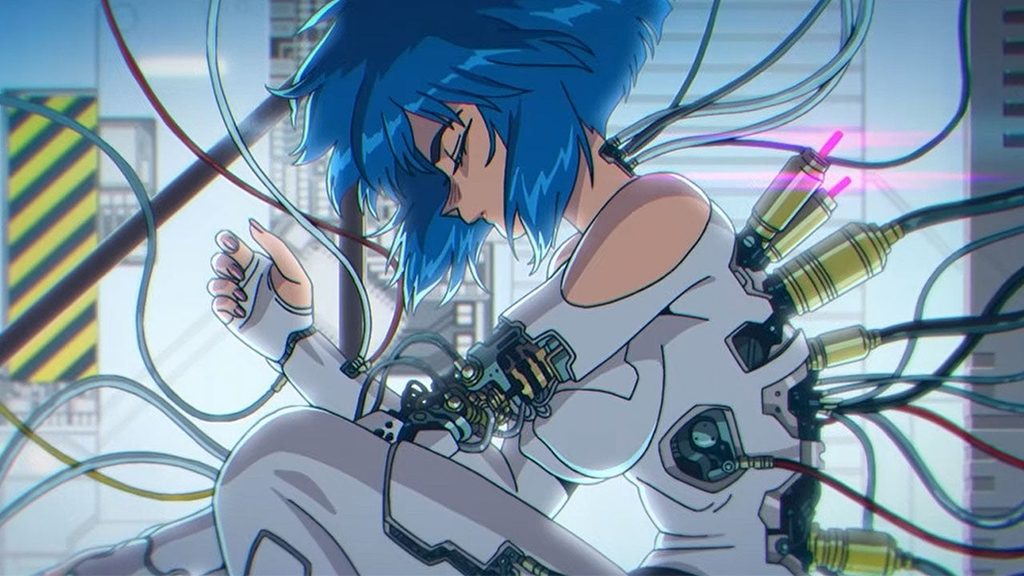
What makes “THE GHOST IN THE SHELL” so satisfying is how closely its pleasures and ideas work together. The humor gives the characters personality, the animation makes that personality visible, and the philosophical material asks viewers to consider what gives those individuals their humanity.
This is a highly enjoyable adaptation with a clear artistic point of view. Its dense storytelling may take some adjustment, but the expressive animation, engaging English and Japanese performances and thoughtful themes give that attention a substantial return. Motoko anchors a series that feels colorful, adult and full of character — qualities that made it a particularly rewarding watch for me.
THE GHOST IN THE SHELL is currently streaming on Prime Video.
————
AnimeTV チェーン bringing you the latest anime news direct from Japan ~ anytime! — Your new source of information!