


After years of speculation from anime enjoyers, Fire Force has confirmed what fans long believed. The series is directly connected to Soul Eater. The final episode does more than conclude a story about fire and salvation. It directly reframes an entire universe.
Once a shared style between the two works by Atsushi Ōkubo, now a deliberate continuity. This connection is not symbolic. Fire Force functions as a prequel that reshapes how Soul Eater is understood.
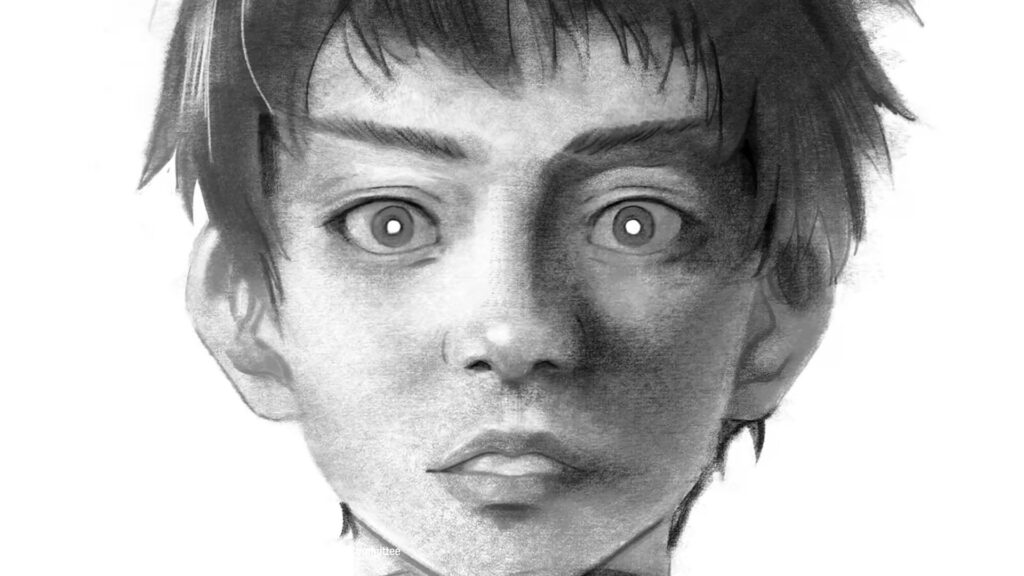
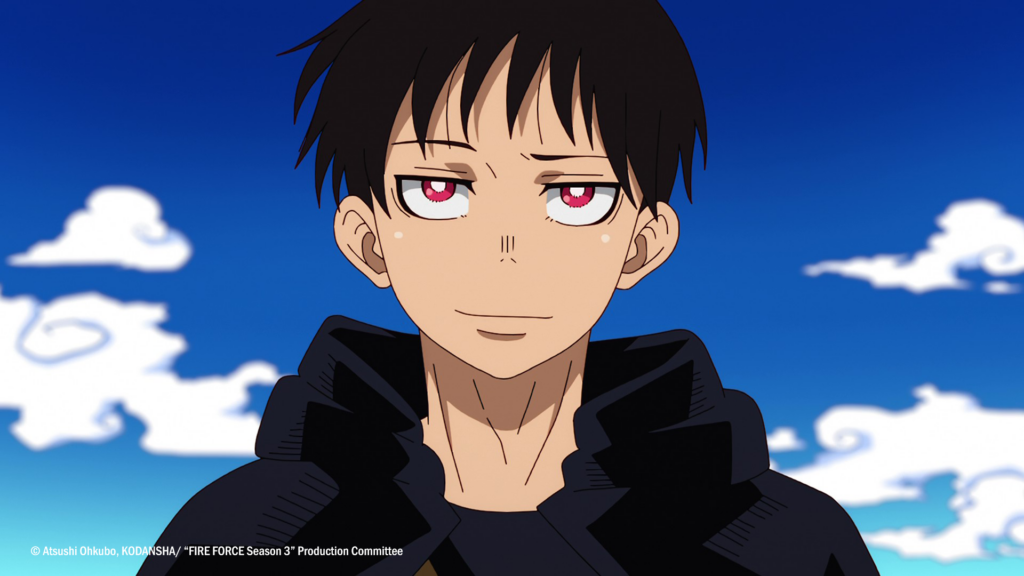
At the center of that transformation is Shinra Kusakabe. By the end of the series, Shinra transcends his role as a fire solider and becomes a figure capable of rewriting reality itself. Rather than eliminating despair, he restructures the world around it. Death, fear and even perception changes as a result. The exaggerated, expressive world seen in Soul Eater emerges as a consequence of that transformation.
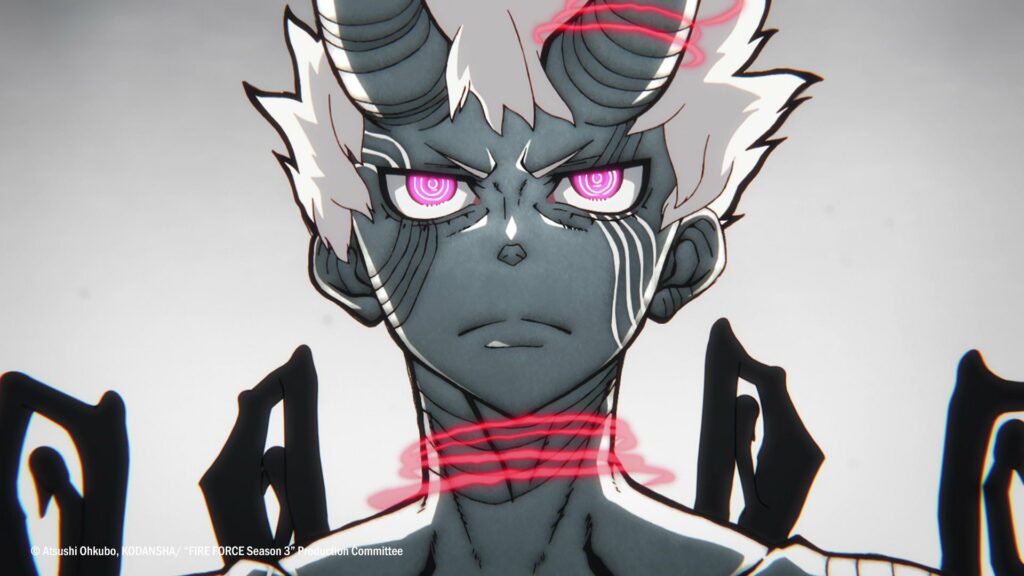
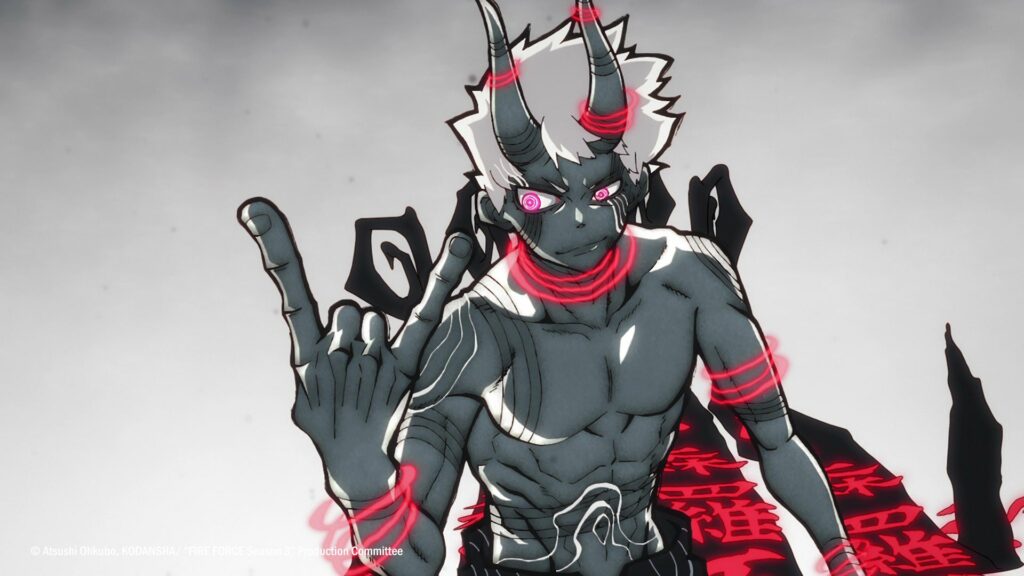
The timeline implied by the finale places the end of Fire Force approximately 40 to 50 years before the beginning of Soul Eater. That gap is essential, as it allows the newly formed world to stabilize and for a generation to grow up within its rules. By the time characters like Maka Albarn attend the Death Weapon Meister Academy, the presence of visible souls, organized death and measurable madness is no longer unusual but rather institutional.
The connection between the two series is reinforced through a series of visual and narrative details that accumulate across Fire Force’s later episodes. Individually, these moments could be interpreted as references. Taken together, they form a clear bridge.
One of the most grounded connections appears through setting, as Assault is shown frequenting a bar that closely resembles the one associated with Spirit Albarn. The similarity suggests continuity in everyday spaces across generations. The world changes, but certain environments persist.
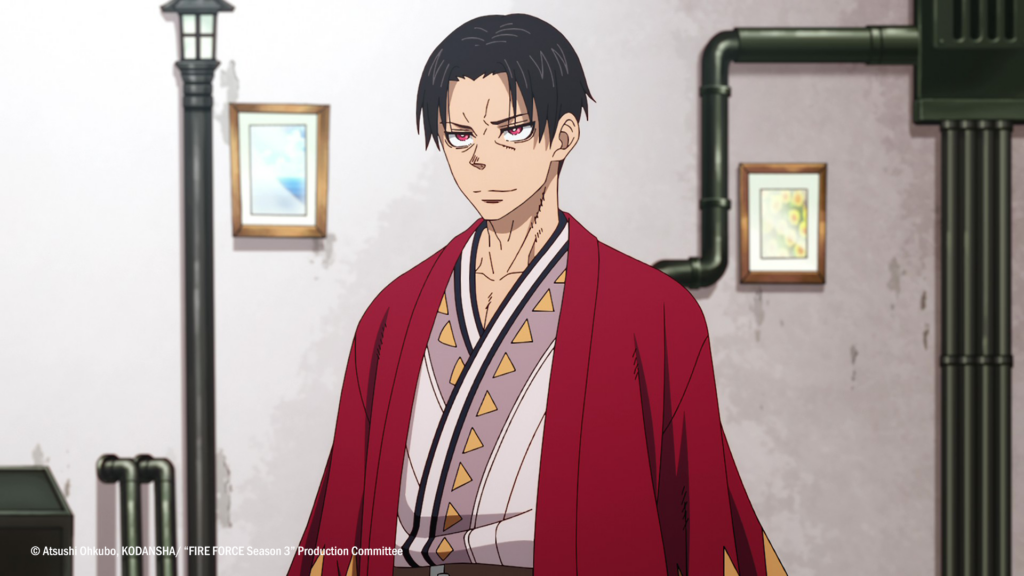
Combat imagery also provides a clear link. Kurono uses a blacked-out scythe that strongly resembles the weapon form associated with Maka and Soul Evans. While not identical, the design functions as a precursor. It suggests that the concept of weaponized souls and meister partnerships evolved over time rather than appearing fully formed.
The most explicit visual confirmation appears in the sky. In Season 2, Episode 24, and again in Season 3, Episode 3, the full moon glitches and transitions into the grinning moon that defines the aesthetic of Soul Eater. This moment represents a direct transformation of the world itself as reality shifts into a form that will later define the series.
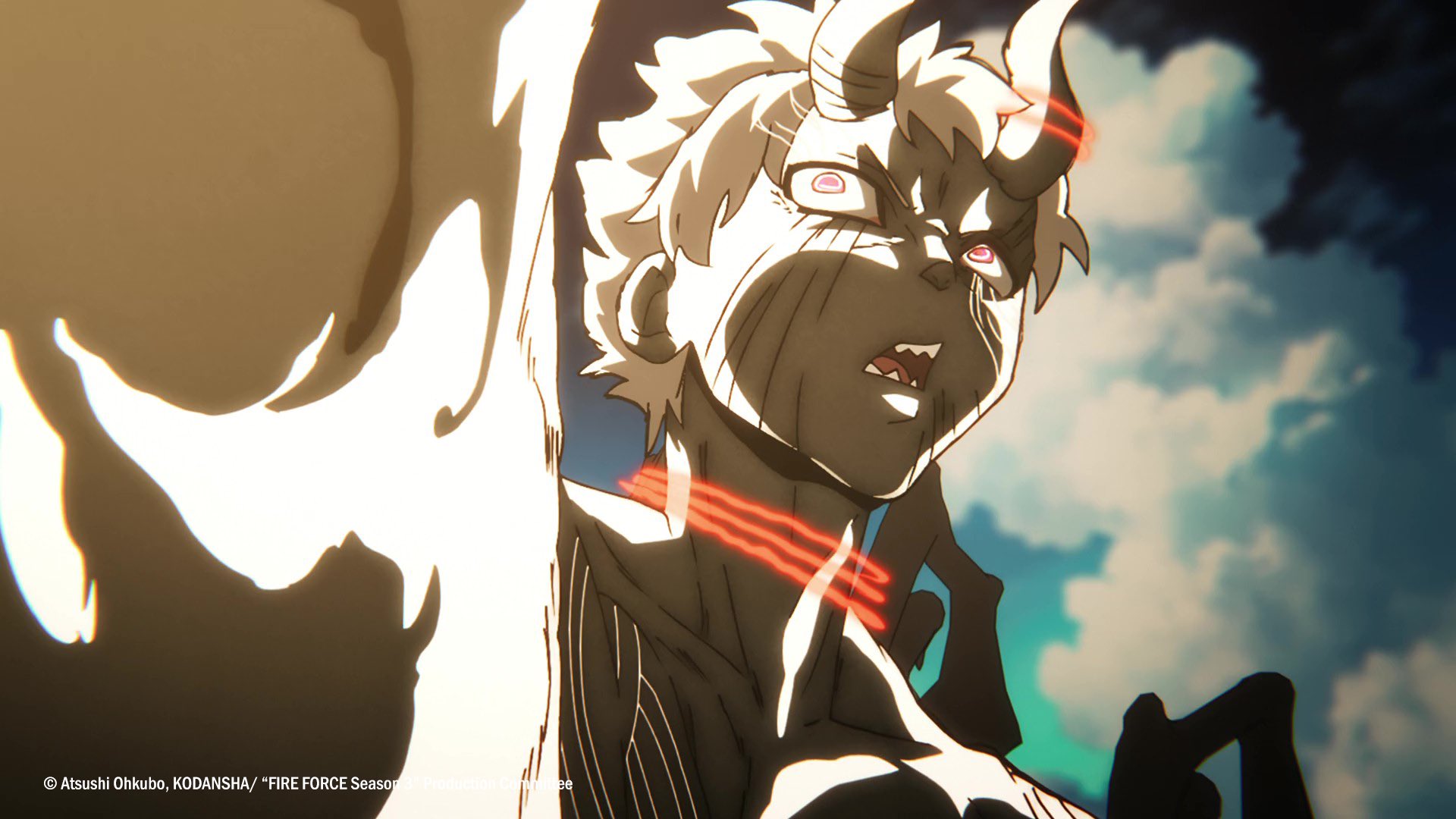
Character design further reinforces the connection. Akitaru Obi andEibon share a similar mask motif. The parallel suggests that symbols tied to protection and authority carry forward into the new world, even as its structure changes.
Additional details support the transition. Architectural elements begin to resemble the exaggerated, gothic style of Death City. Reactions and expressions become more elastic, reflecting the tonal identity of Soul Eater. The shift from grounded realism to stylized absurdity occurs gradually, but consistently.
One of the most significant reveals in the finale involves Maka’s family. As for the first time, Maka Albarn’s mother appears on screen. In Soul Eater, she is a central figure who is never shown, defined entirely through dialogue and absence. Her appearance in Fire Force anchors her within the shared timeline and confirms that the connection extends beyond worldbuilding into specific character histories.
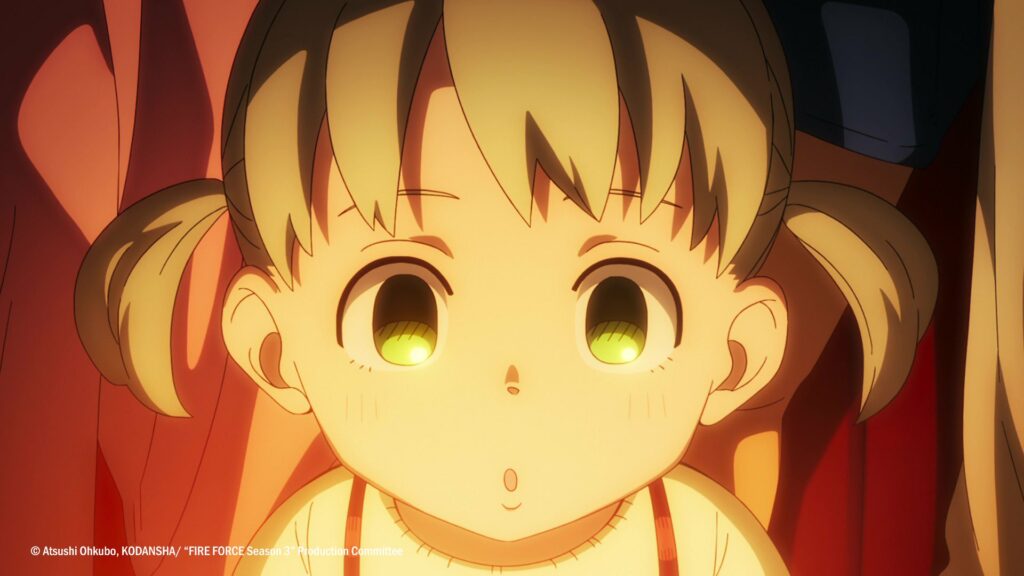
The strongest bridge between the two series is conceptual. In Fire Force, despair is embodied through Adolla, a force that threatens to overwhelm reality. In Soul Eater, that same idea exists as madness, a measurable and controllable phenomenon. The finale suggests that despair was not removed from the world. It was transformed into a system that could be understood and managed.
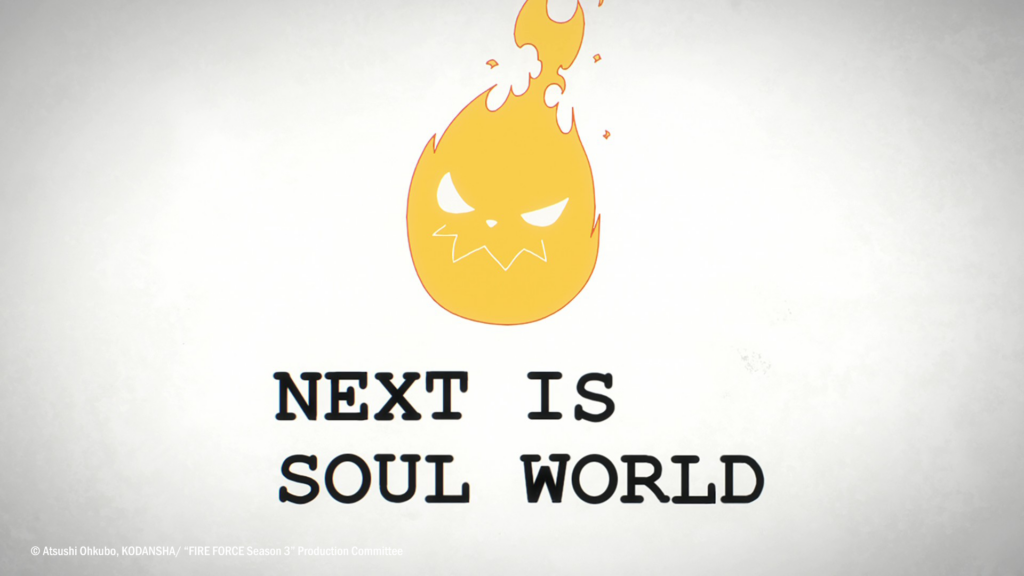
With the release of the final episode, the relationship between the two series is no longer open to interpretation. Atsushi Ōkubo created a continuous narrative. As Fire Force serves as the origin, while Soul Eater represents the world that follows.
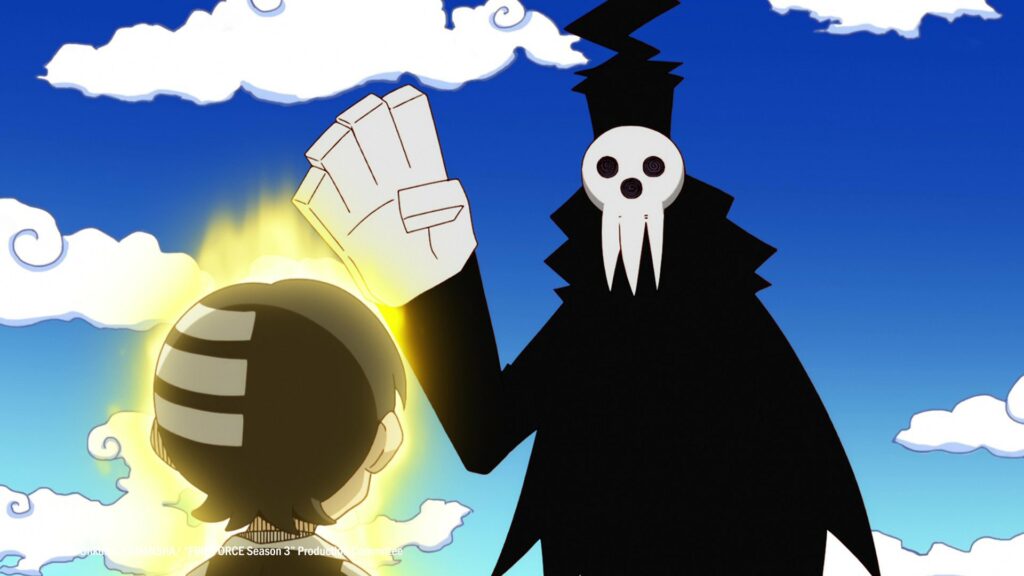
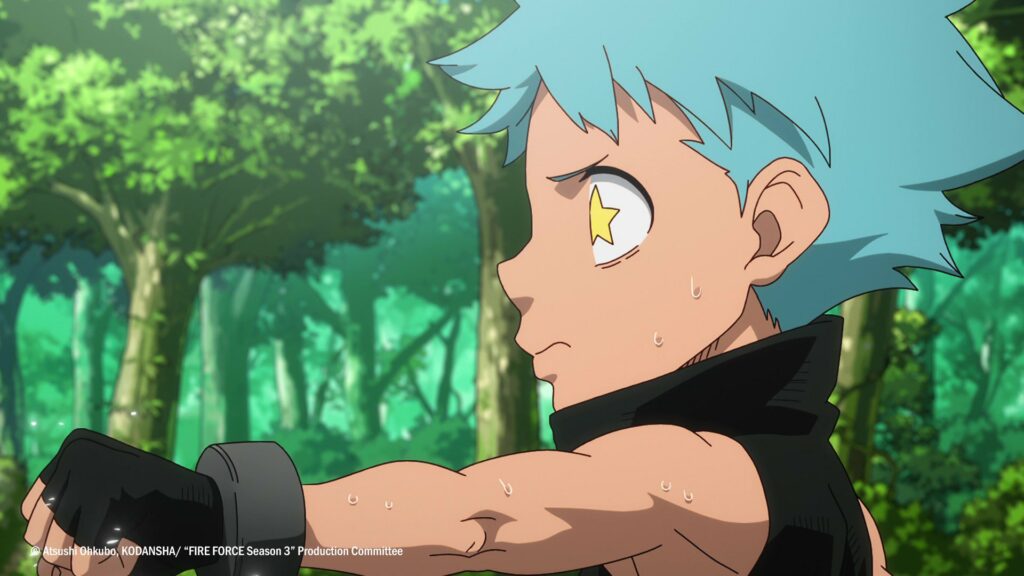
That conclusion leads to a final question. The original Soul Eater anime diverged from the manga before its ending, leaving an incomplete adaptation of the full story. With the shared universe now clearly established, a faithful remake would not simply revisit a popular series. It would complete a narrative that has now been fully contextualized.
After the ending of Fire Force, that possibility feels less like speculation and more like the logical next step.
————
AnimeTV チェーン bringing you the latest anime news direct from Japan ~ anytime! — Your new source of information!