


Netflix’s new partnership with MAPPA has the potential to reshape how high-profile anime is financed, released, and marketed globally, but it also reopens a familiar debate about whether Netflix’s release strategy helps shows thrive or quietly sinks them.
On paper, the deal looks like a win. Netflix has positioned the partnership as a long-term collaboration, offering MAPPA global, day-and-date exclusivity for future projects. That kind of rollout directly addresses one of anime’s biggest modern problems: uneven access. Simultaneous global releases reduce spoilers, limit piracy incentives, and allow international audiences to participate in the same conversation at the same time.

For MAPPA, the upside goes beyond distribution. A deeper relationship with Netflix could mean steadier funding, earlier involvement in development, and fewer last-minute production crunches. In an industry built around tight schedules and investor-heavy production committees, that stability matters. It also gives MAPPA a platform capable of pushing its work to a mainstream audience that traditional anime pipelines often struggle to reach.
But the concern many fans raise is not about access. It is about longevity.
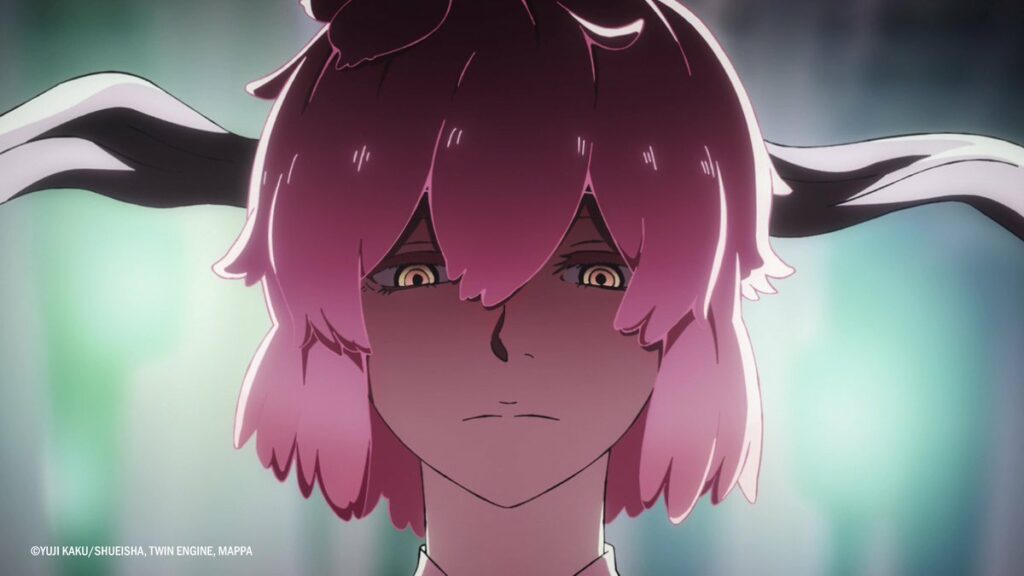
Netflix still favors full-season drops for many of its anime titles, a strategy that often kills momentum just as quickly as it creates it. A show can trend for a weekend, dominate social media for a few days, and then vanish from discourse entirely once the binge window closes. Weekly releases, by contrast, keep shows alive for months, allowing conversation, theory-building, and word-of-mouth to compound over time.
Anime has historically thrived on that slow burn. Community discussion, episode-by-episode reactions, and seasonal anticipation are part of how shows grow beyond their premieres. When a Netflix anime drops all at once, it risks becoming dead in the water by week two, even if the quality is high. Fans finish it, move on, and the broader cultural footprint fades faster than it would on a weekly cadence.

There are also creative concerns. MAPPA’s work is known for dense animation and visual detail, and streaming compression has already been a point of contention for anime audiences. If Netflix is positioning itself as the primary home for MAPPA’s future projects, viewers will expect technical presentation that does not undercut the studio’s strengths.
The deal’s success may ultimately hinge on flexibility. If Netflix pairs its global reach with smarter release strategies, including weekly or split-cour releases, the partnership could become a blueprint for how anime evolves in a streaming-first era. If it sticks rigidly to binge-first logic, it risks repeating a pattern where major anime arrive loudly and disappear just as fast.
MAPPA and Netflix now have the chance to prove that global scale does not have to come at the cost of staying power. The industry, and fans, will be watching closely to see which path they choose.
————
AnimeTV チェーン bringing you the latest anime news direct from Japan ~ anytime! — Your new source of information!
Please note that this article is simply the opinion of Kiran Kane