

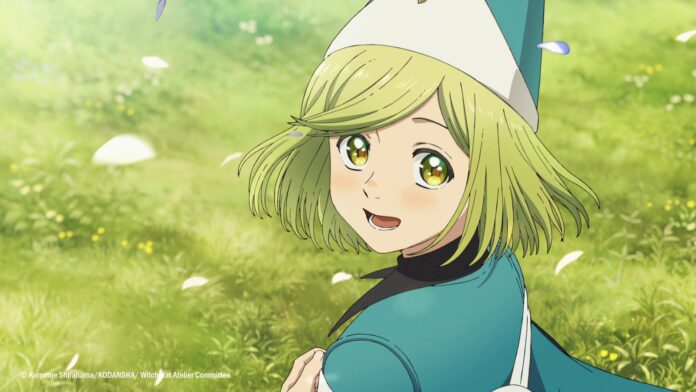
Most anime dub debates get stuck on comparison. Is the English cast as good as the Japanese cast? Does the performance match the original? Did the localization change too much? “Witch Hat Atelier” makes those questions feel limited. As Crunchyroll’s English dub is not just trying to match the Japanese track. It uses accent, voice and cultural texture to add meaning of its own.
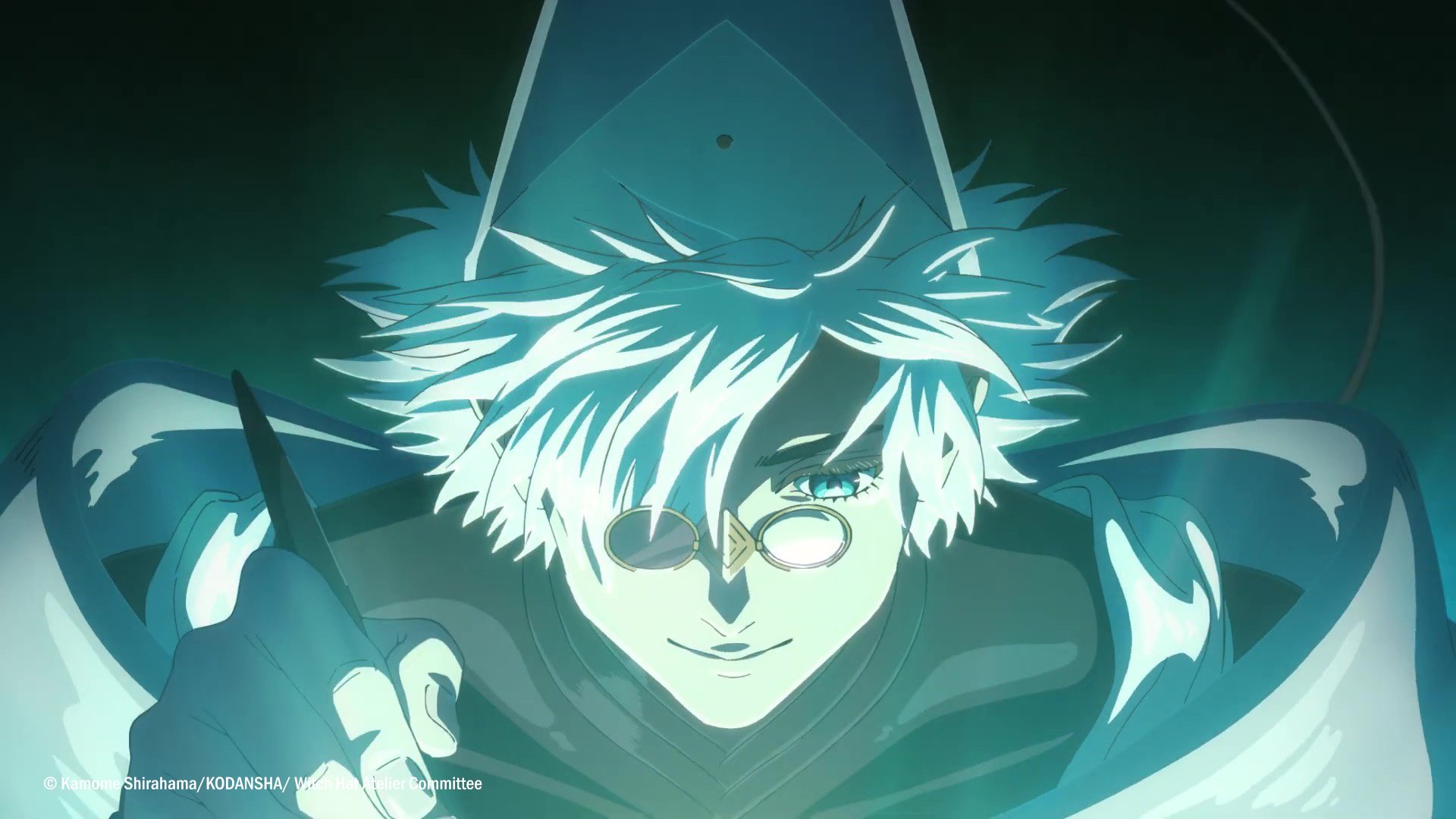
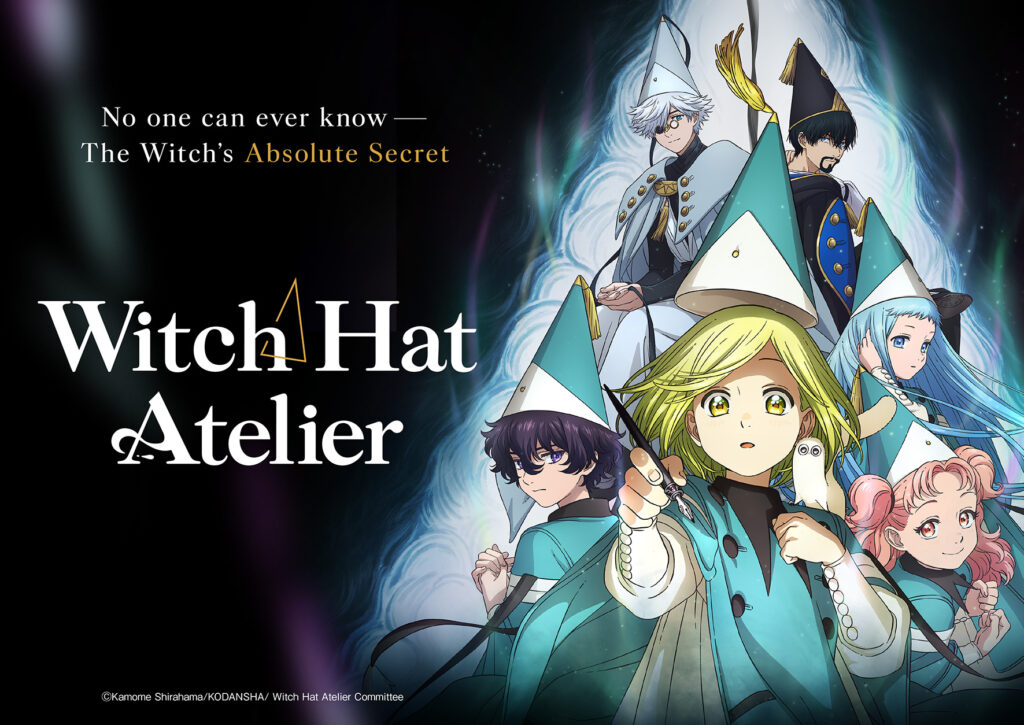
Under ADR voice director Emily Fajardo, much of the witch world speaks with European accents that root the series in its storybook fantasy setting. Qifrey, voiced by Joshua A. Waters, carries the warmth and polish of a British mentor. Tetia, voiced by Sarah Wiedenheft, has a bright Danish lilt that makes her optimism feel even more distinct. Olruggio, voiced by Reagan Murdock, brings a gruffer edge that grounds him as the steady adult in a home full of young witches chasing wonder.
The result is immediate. Before a spell is drawn, the world already sounds old. It sounds lived in. It sounds like a place with borders, customs and history. That texture is not present in the same way in the Japanese track. It is meaning the dub builds on its own.
That is the part dub skeptics often miss. English dubs still carry a reputation shaped by an older era of stiff performances and awkward direction. Many fans made up their minds years ago and never reopened the case. At their best, though, dubs have never been simple replacements for subtitles. They can be interpretations. They can reveal new angles. They can make a familiar story land differently without betraying it.
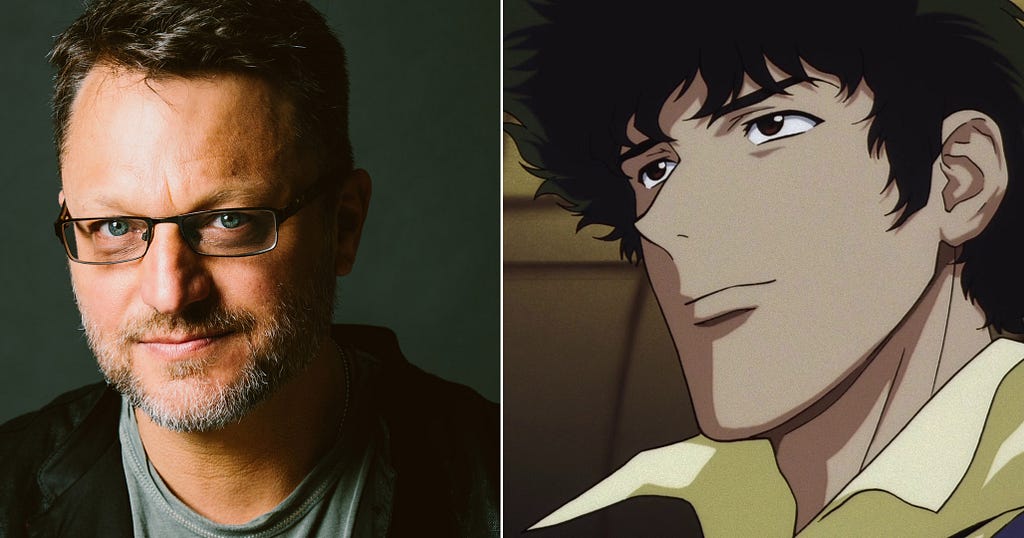
“Cowboy Bebop” remains the example many fans reach for first, and for good reason. Its jazz-soaked noir atmosphere felt unusually natural in English, and Steve Blum’s Spike Spiegel became the version of the character many viewers hear in their heads before any other. “Black Lagoon” makes an even clearer case. Its world of gunrunners, mercenaries and criminals already runs on a rough international language, so Revy tearing through a firefight in English feels brutally at home. “Steins;Gate” belongs in that conversation as well, thanks to J. Michael Tatum’s performance as Okabe Rintaro. His version gives Okabe’s mad scientist persona theatrics that makes the character’s humor, ego and vulnerability hit in a different register.
Each of those dubs found something a subtitle file could not fully hold. “Witch Hat Atelier” is the newest name in that lineage.
What makes its dub so effective is how purposeful the accents feel. The voices are shaped around character. Qifrey’s calm British cadence tells us he is someone Coco wants to trust, even when the world around her becomes frightening. Agott’s cooler delivery sharpens her guardedness before the script needs to explain it. Tetia’s voice makes her kindness feel like sunlight entering the room. Olruggio’s rougher presence gives the atelier a needed weight.
That is characterization. The accents are not decoration but rather are performance choices doing the same work as posture, timing or expression. The choice becomes even more powerful with Coco.
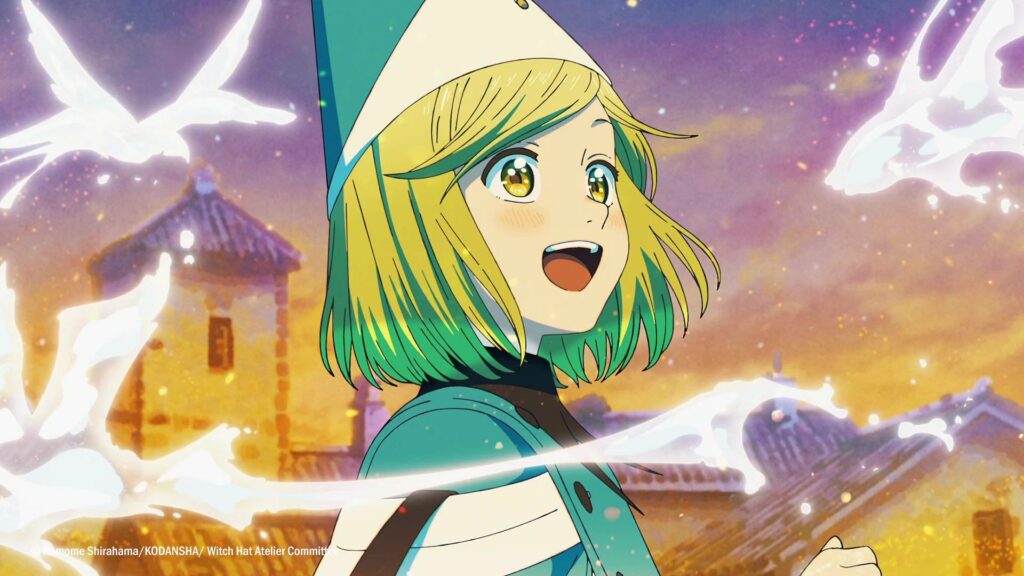
Voiced by Anjali Kunapaneni, Coco speaks in a more neutral register, as do other characters who were not born into witch society. On a first watch, that might seem like a missing detail. Coco’s story is about an outsider fighting to enter a magical world she has admired from a distance. The dub makes that distance audible. The witches carry the sound of a culture she was not born into. Coco does not. Her voice becomes the sound of not-yet-belonging. The series does not need a speech about her outsider status every time she enters a room. The dub lets the audience hear it.
That is where “Witch Hat Atelier” becomes more than a strong localization. It becomes an argument for what anime dubbing can still become.
Other mediums have already chased similar ideas. Games like “Dragon Quest” and “Metaphor: ReFantazio” have used regional English voices to make similar fantasy worlds feel less generic and more culturally textured and immersive. Those choices help a fictional setting feel like a real place, not just a stage where everyone happens to speak the same way. “Witch Hat Atelier” takes that instinct and gives it a thematic spine in which helps map who belongs to it.
It’d be exciting to see more of this kind of direction in dubs moving forward. A series set in a specific kind of world has a tool sitting right there every time it receives a flat, accent-neutral dub. The caution is that the choice has to serve the story. An accent added without purpose becomes a gimmick, and audiences can hear a gimmick from the first line. The reason “Witch Hat Atelier” works is because the performances are tied to the world, the characters and Coco’s place within it. That is what great adaptations do.
A strong dub should not feel like a shortcut for people who do not want to read. It should feel like another version of the work with its own artistic logic. It should honor the original while understanding that translation is never just about words. Voice carries class, culture, distance, history and belonging. When a dub knows how to use that, it can say things the script never has to spell out. “Witch Hat Atelier” understands that beautifully. It continues the legacy of English adaptations that do more than translate, and it raises the bar by letting good direction and talented voice over carry story.
© Kamome Shirahama/KODANSHA/ Witch Hat Atelier Committee
————
AnimeTV チェーン bringing you the latest anime news direct from Japan ~ anytime! — Your new source of information!