

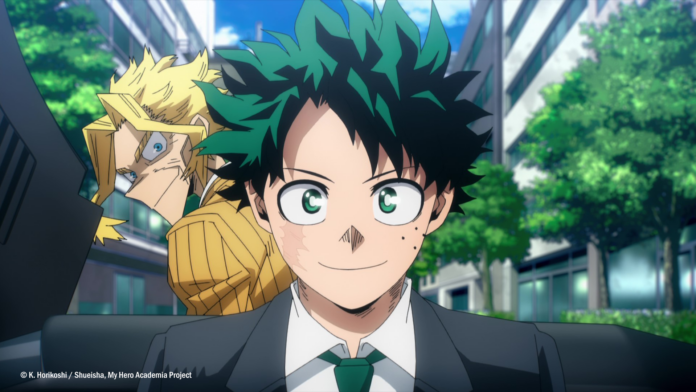
A Plus Ultra goodbye to a generation of heroes
After nearly a decade on the air, My Hero Academia has come to an end, closing the book on one of the most defining anime series of its era. The final season does what long-running finales often struggle to do: it sticks the emotional landing. It is loud, earnest and deeply sentimental, offering fans a satisfying conclusion even as it leaves behind a few unresolved ideas that once made the series feel more daring.
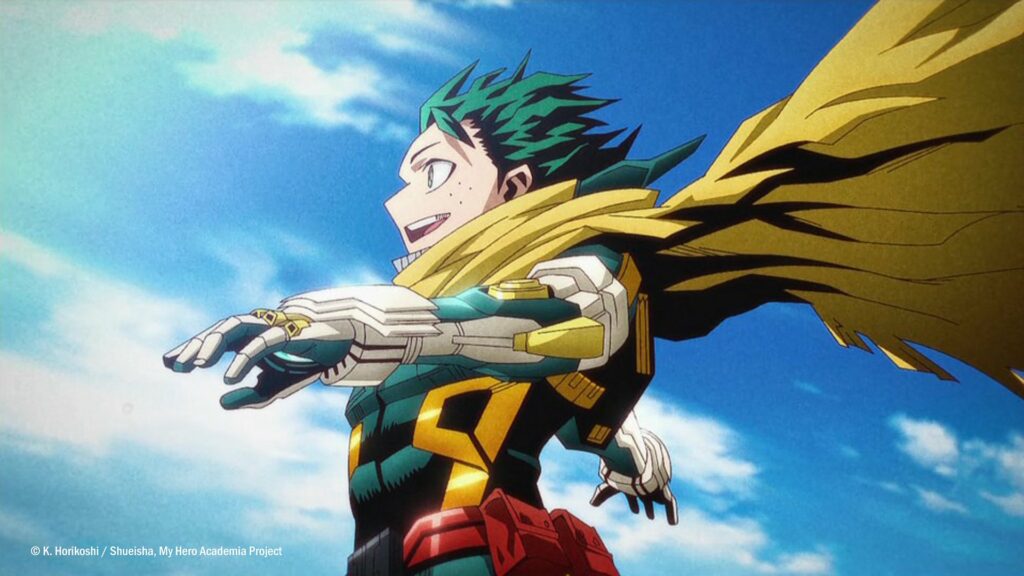
The last arc delivers on sheer scale. The war between heroes and villains unfolds with relentless momentum, leading to the inevitable showdown between Izuku Midoriya and Tomura Shigaraki. Studio Bones brings cinematic energy to these final episodes, pairing fluid animation with an intense score that elevates every punch, scream and quiet moment of resolve. It feels big in the way a finale should, not just visually, but emotionally.
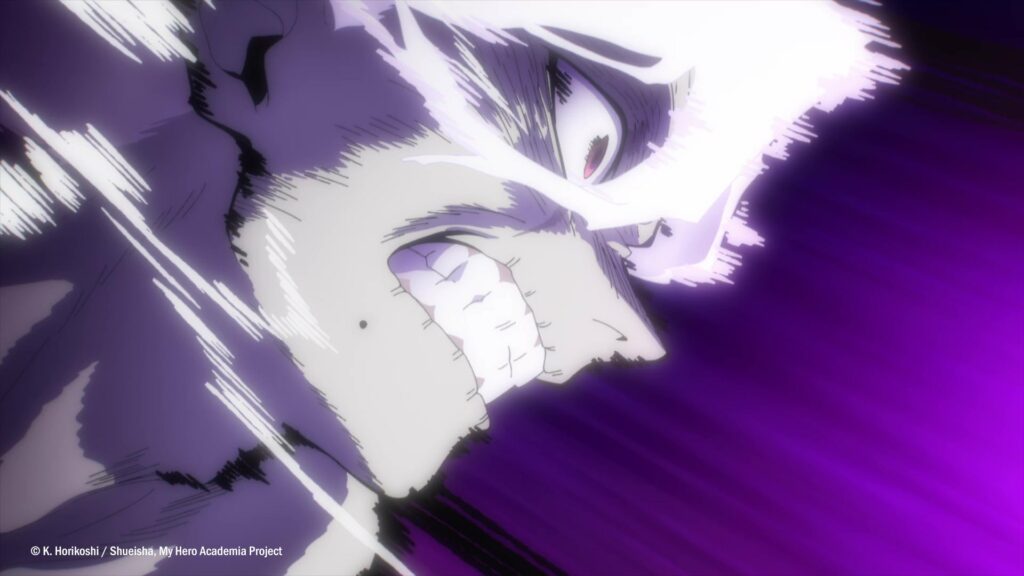
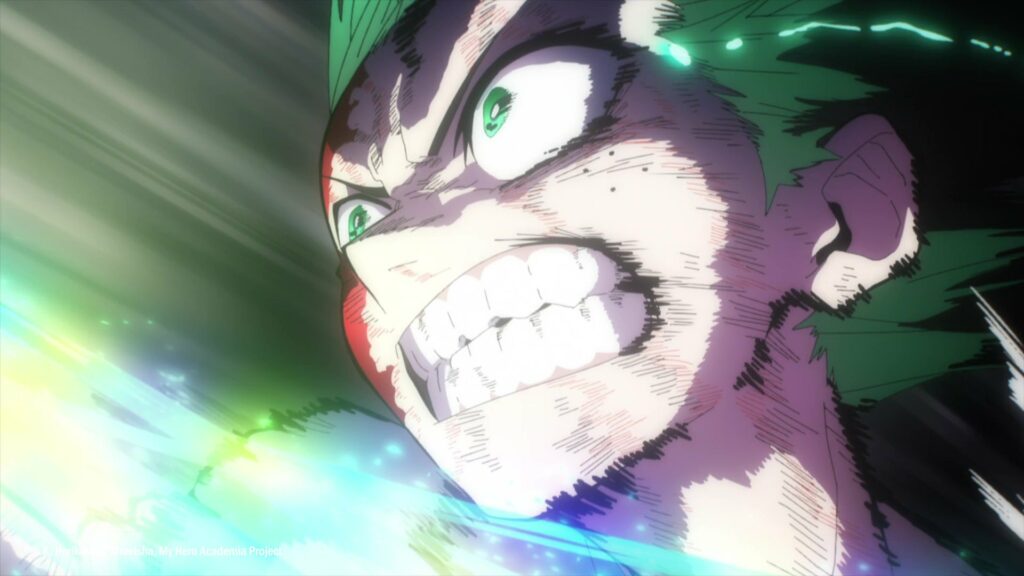
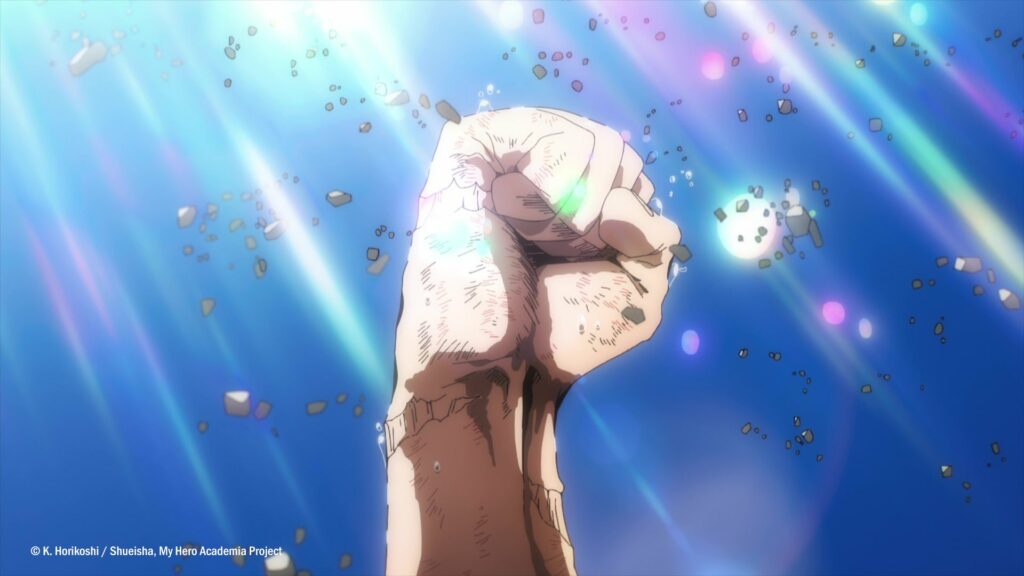
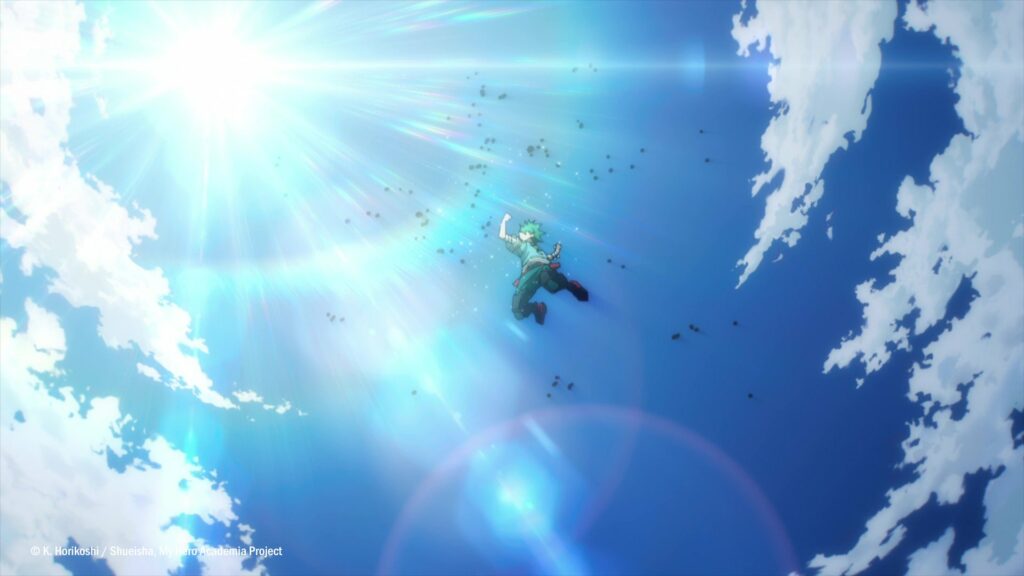
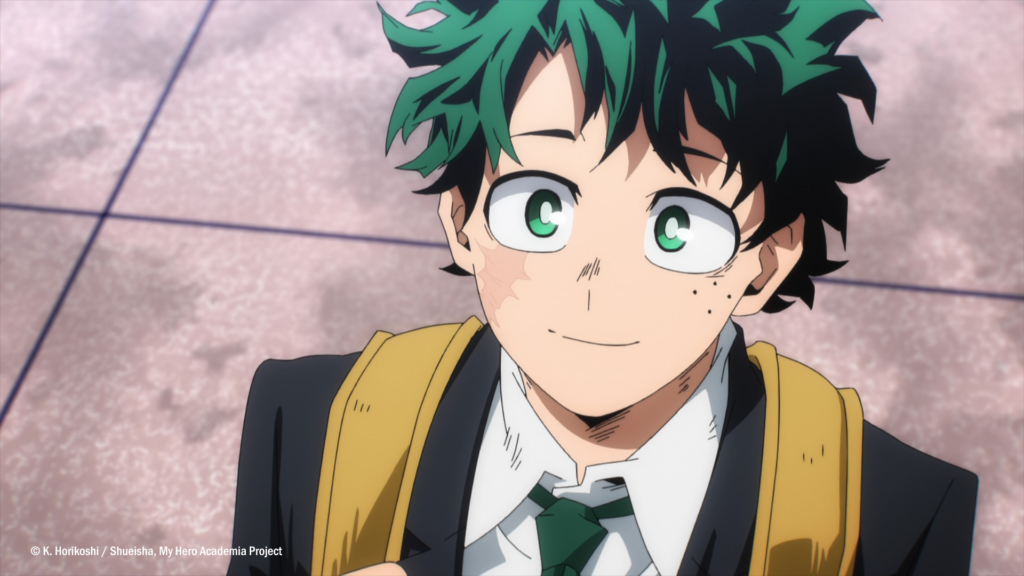
What carries the ending, however, is not the spectacle alone. My Hero Academia has always been about growth. Watching insecure kids slowly become people willing to shoulder the weight of the world. The final season gives that growth room to breathe. Midoriya’s journey reaches a point that feels earned, as he finally defines heroism on his own terms rather than chasing an impossible ideal. Bakugo, Todoroki and Uraraka are given moments that reflect who they have become, not who they were when the series began.
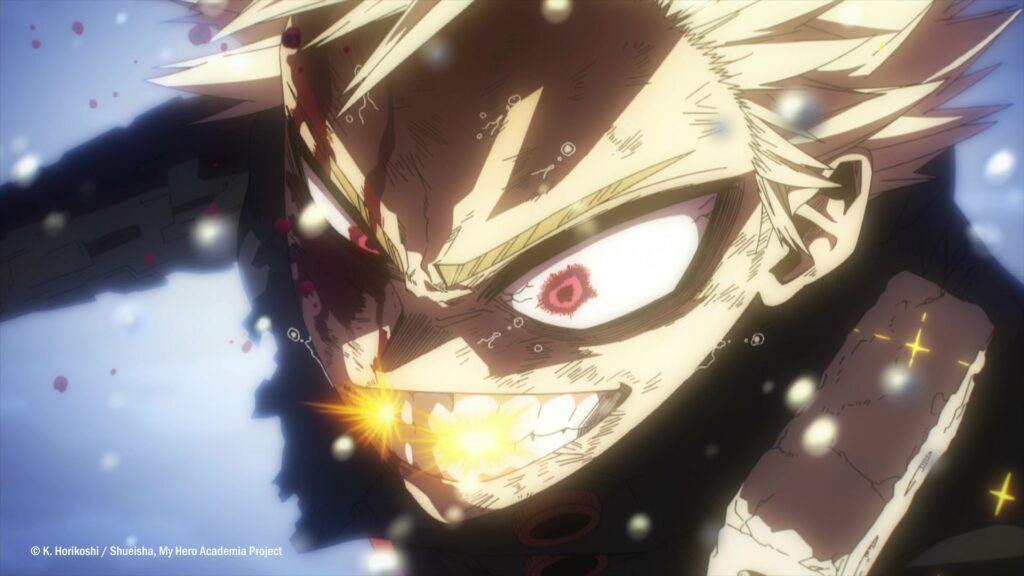
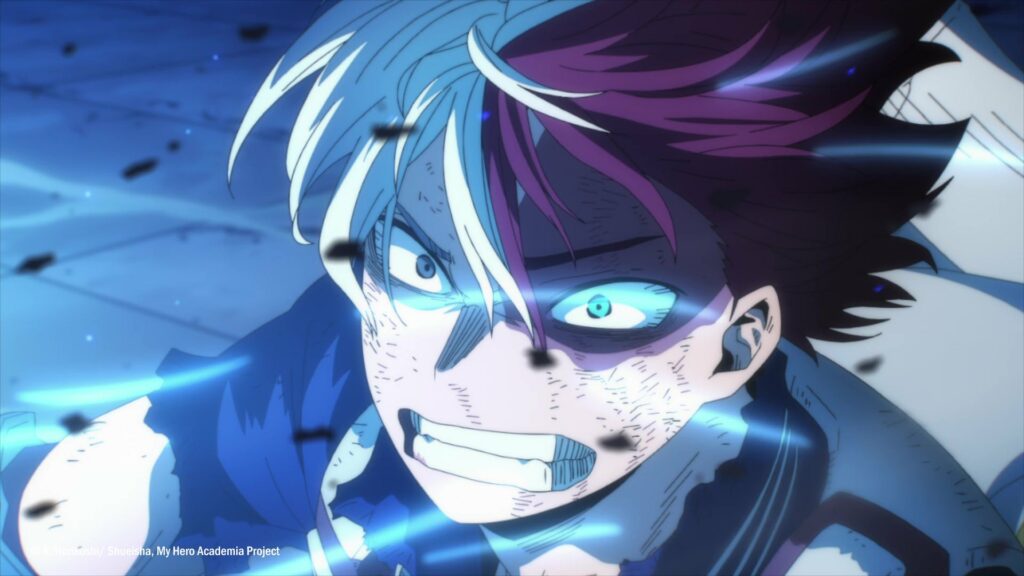
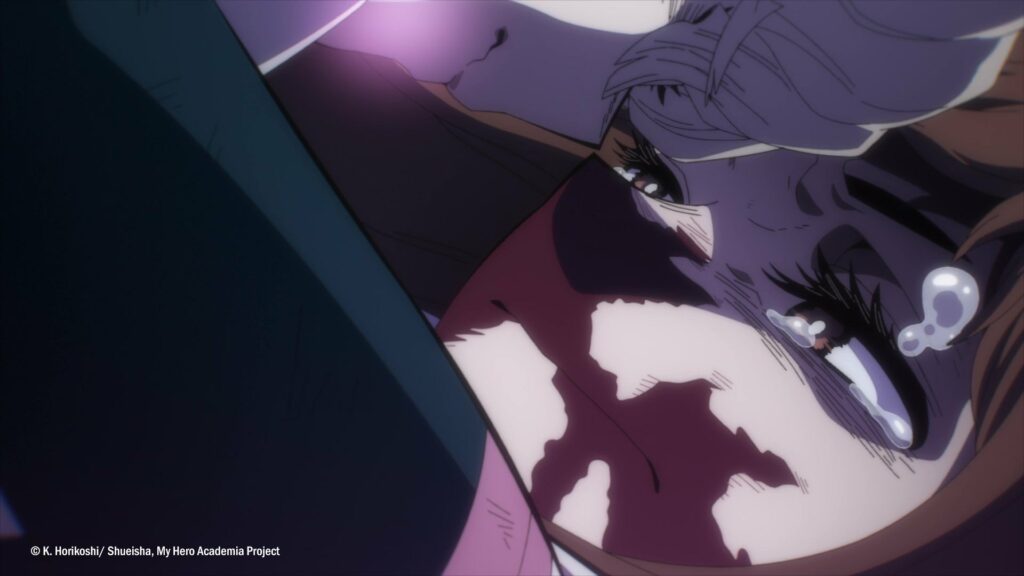
There is a sense of farewell woven throughout the final episodes. Loss is not brushed aside, and victories are not framed as clean or painless. The show understands that heroism comes at a cost, and it allows its characters and its audience to sit with that reality. For longtime fans, there is a quiet emotional weight in simply seeing these characters reach the end of their road together.
Still, the ending is not without its frustrations. Early in its run, My Hero Academia hinted at something more subversive. It questioned the structure of hero society itself, pointing to a system built on popularity, branding and public approval. Few characters embodied this critique better than Stain, whose belief that heroes had become hollow symbols rather than moral pillars challenged the foundation of the world.
That thread ultimately fades. By the end, the series leans into a more familiar conclusion, one that suggests the impact of the final battle inspires society to change on its own. It is an anime version of a Marvel or Harry Potter ending, where unity and shared trauma are enough to fix what was broken. The hero system remains largely intact, and the deeper structural issues that once felt central are left unresolved.
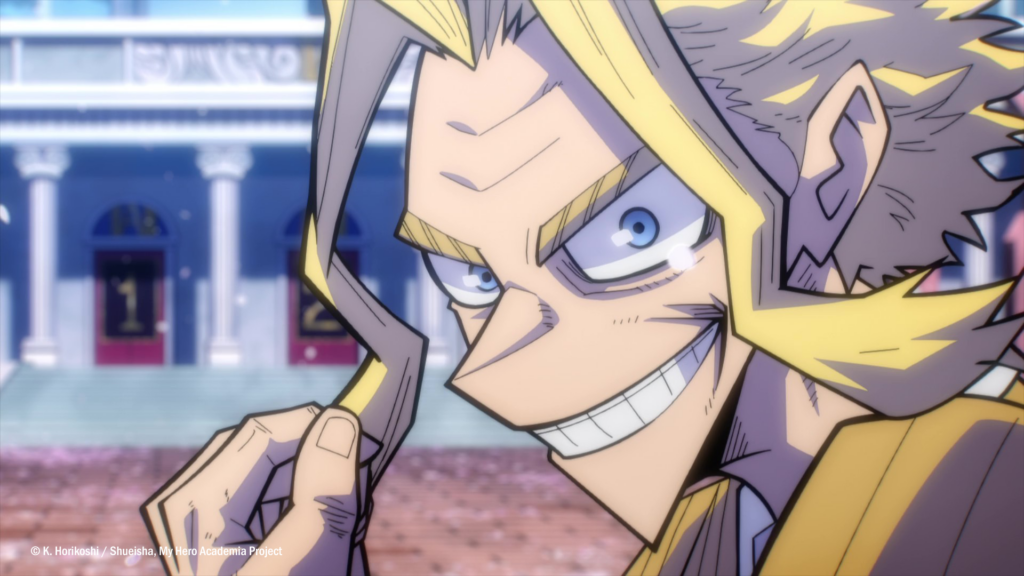
It is not a fatal flaw, but it is a noticeable one. The show steps back from its sharpest questions in favor of a hopeful, crowd-pleasing resolution. For some viewers, that will feel comforting. For others, it may feel like a missed opportunity to fully confront the world the series spent years building.
Even so, it is hard to deny the effectiveness of the finale. My Hero Academia ends on a satisfying and emotional note, one that honors its characters and the fans who grew alongside them. It understands what it means to say goodbye, and it does so with sincerity rather than spectacle alone.
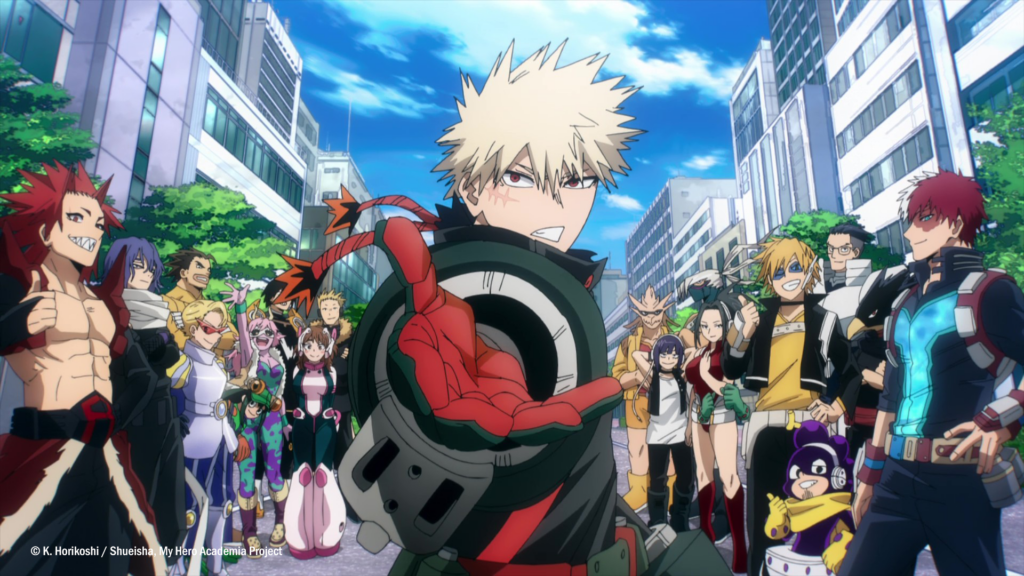
The legacy the series leaves behind is significant. It helped define modern shonen anime, introduced a new generation to long-form storytelling and made hero narratives accessible to audiences far beyond anime’s usual reach. It was messy at times, uneven at others, but always earnest in its belief that people can grow into something better.
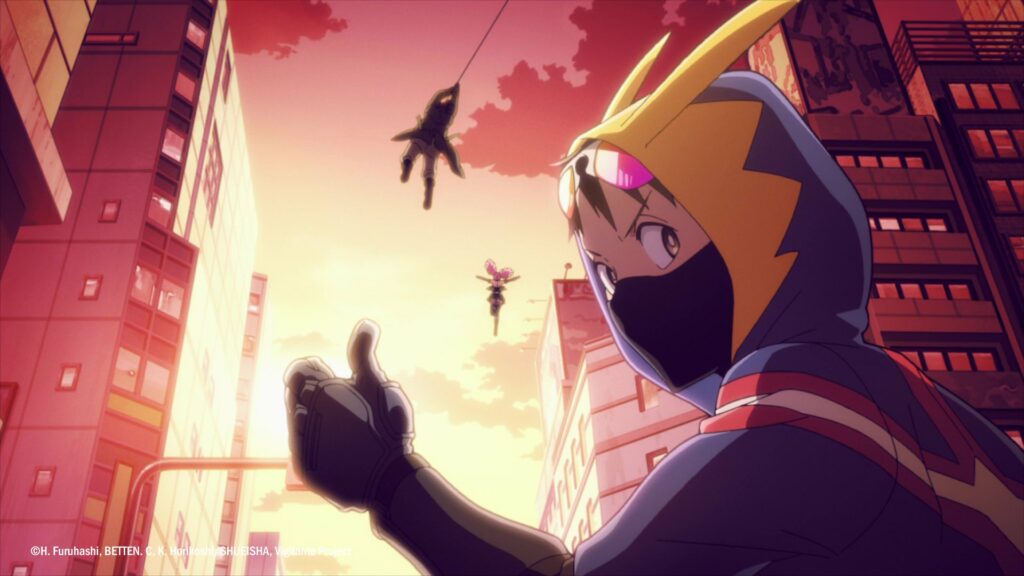
As the main story concludes, fans now look ahead to My Hero Academia: Vigilantes, a prequel that explores heroism outside the official system. In many ways, it feels like a fitting continuation, one that may finally dig into the ideas the original series left behind.
My Hero Academia does not end perfectly, but it ends honestly. And for a story about flawed people trying to do good in an imperfect world, that feels right.
© K. Horikoshi / Shueisha, My Hero Academia Project
————
AnimeTV チェーン bringing you the latest anime news direct from Japan ~ anytime! — Your new source of information!