

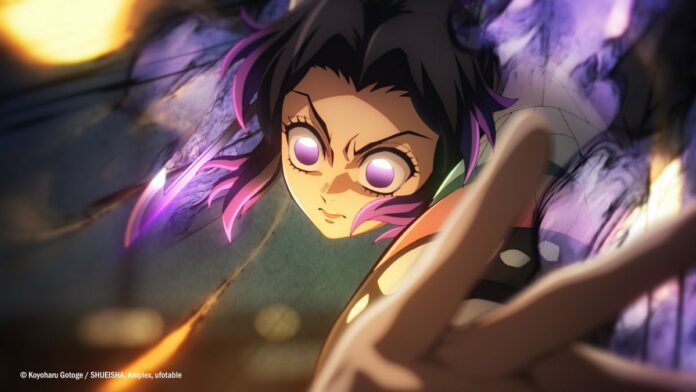
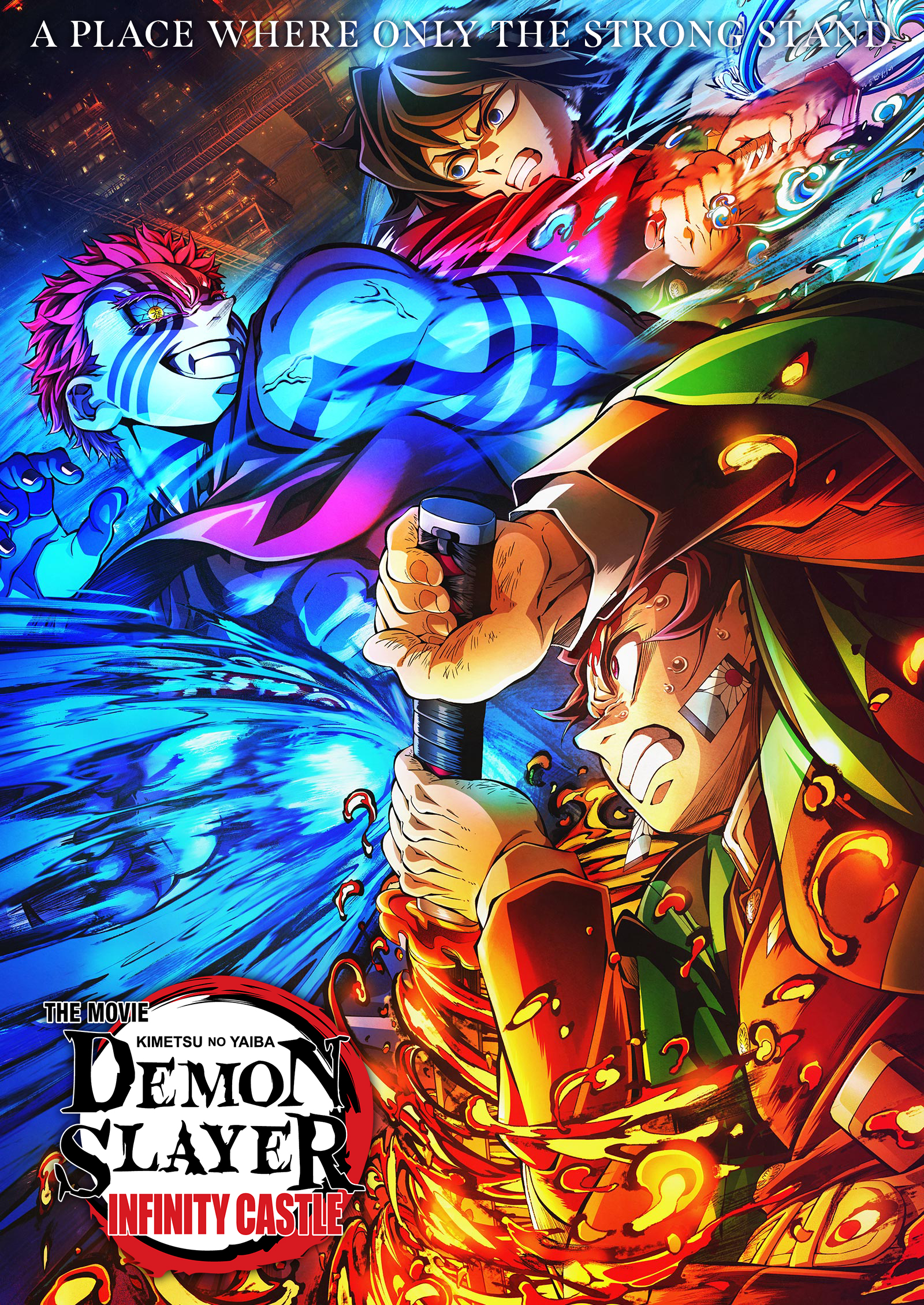
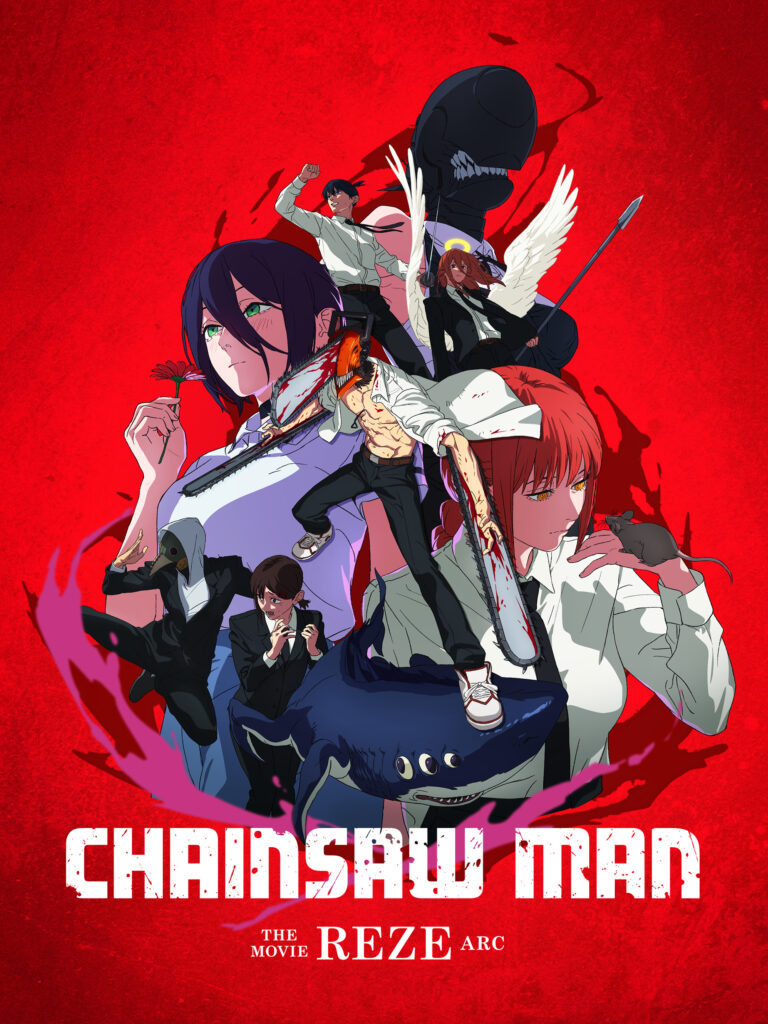
Anime fans spent much of the past year watching theaters fill up for two titles that rarely need mainstream validation to prove their reach: Demon Slayer: Kimetsu no Yaiba Infinity Castle and Chainsaw Man – The Movie: Reze Arc. The box office headlines were real, including a North American opening-weekend win for Chainsaw Man and continued evidence that anime can play as an event release, not a niche booking.
Then Oscar nominations arrived, and neither movie made the cut…
The immediate reaction online was predictable: anger, memes, and a familiar refrain that the Academy does not take animation seriously unless it comes with a family-friendly brand name or a prestige label. The frustration was not only about one year’s ballot. It was about the larger pattern of how Western awards culture still treats animation as a children’s medium first and a filmmaking medium second.
This year’s Best Animated Feature lineup underscores why those arguments reappear every season. The five nominees were Arco, Elio, KPop Demon Hunters, Little Amélie or the Character of Rain and Zootopia 2. That is a wide spread of styles and studios, but it is also a reminder that there are only five seats at the table.
In that context, it is worth separating two questions that get merged in the online blowback:
- First: Were these anime films eligible? Yes. Both titles appeared on the Academy’s eligibility list for animated features earlier in the season, meaning they cleared baseline requirements to be considered. Eligibility, however, is not the same as a nomination. Animated Feature is an opt-in category for Academy members, and participants must meet viewing requirements. In other words, an eligible film still needs a campaign, visibility and enough voters actually watching it.
- Second: If voters did watch them, why did they still miss? That is where the conversation moves from rules to culture.

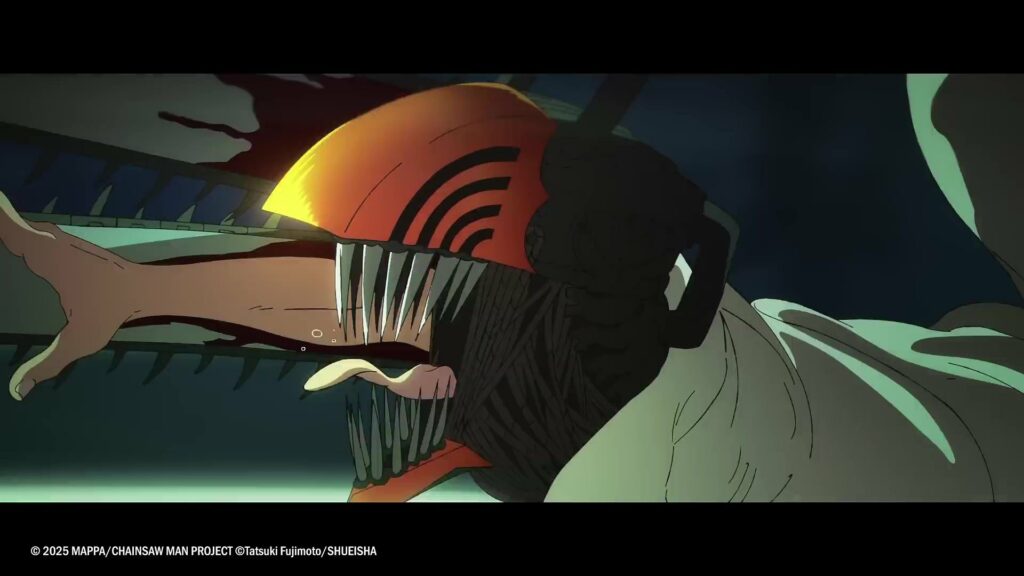
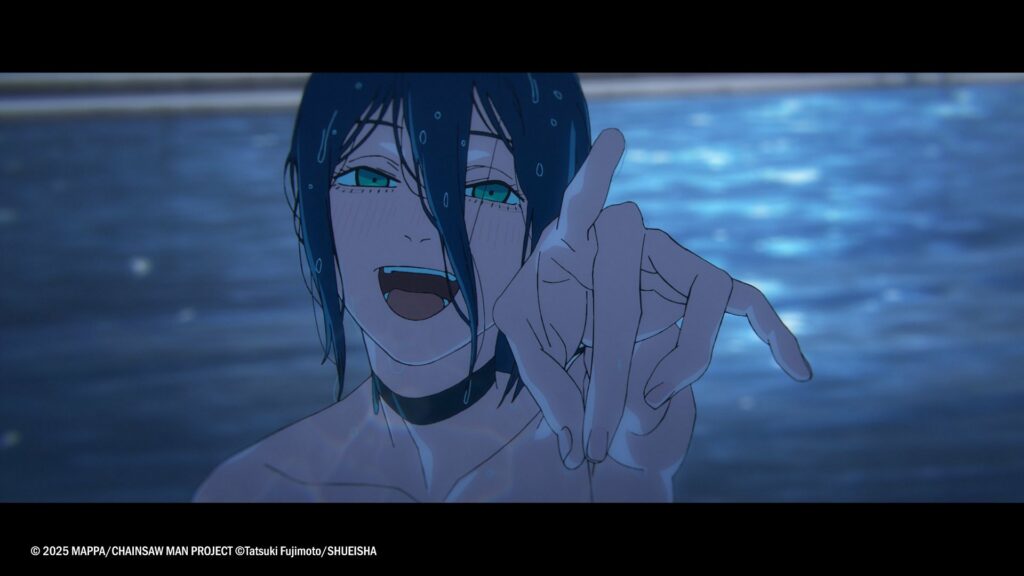
Anime’s biggest strength can become its biggest Oscar hurdle. These movies arrive with a built-in fandom, strong brand awareness and a global audience that shows up opening weekend. That is great for ticket sales. It can be less effective inside awards season politics, where campaigns often rely on industry screenings, targeted outreach and a narrative that translates beyond fan circles.
Even the metrics fans cite do not always map cleanly onto Academy taste. Chainsaw Man – The Movie: Reze Arc earned the No. 1 spot on Letterboxd’s 2025 year-end chart, a strong signal of enthusiasm among a movie-focused, online cinephile audience. But the Academy is not Letterboxd, and crowd-pleasing intensity is not the same as branch consensus.
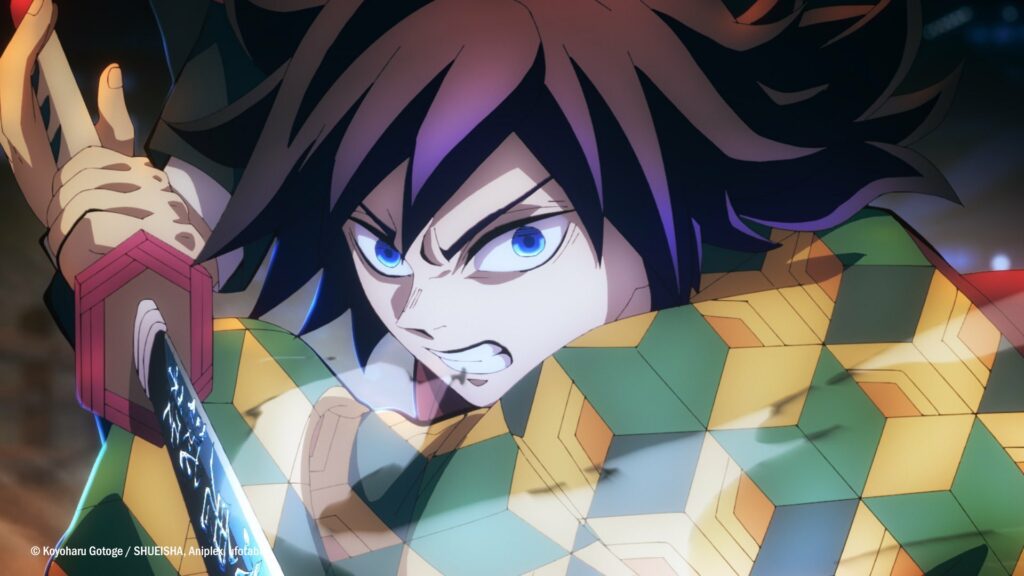
Demon Slayer: Kimetsu no Yaiba Infinity Castle, meanwhile, did what Oscar watchers claim they want: it proved animation can be blockbuster cinema. Reporting throughout the year highlighted its extraordinary global run and record-level performance for an anime movie. If a film that big can still miss, fans argue, what hope is there for anything less mainstream?
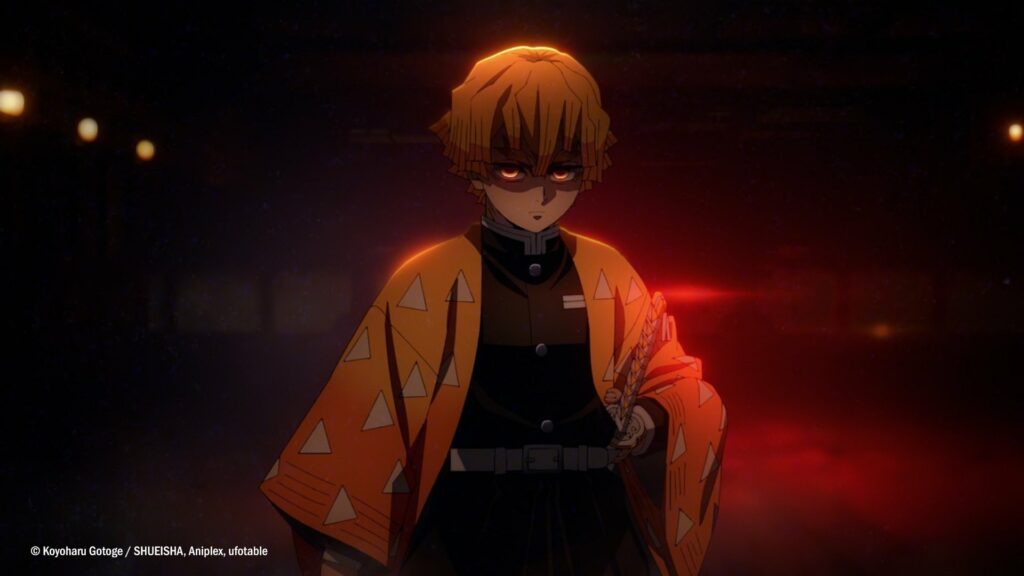
The uncomfortable answer is that animation still occupies a strange status in Western film culture. It is widely consumed and frequently treated as secondary. The framing shows up in the language around “kids movies”, in the way animated performances are excluded from acting categories, and in how many voters treat animation as a genre instead of a production method.
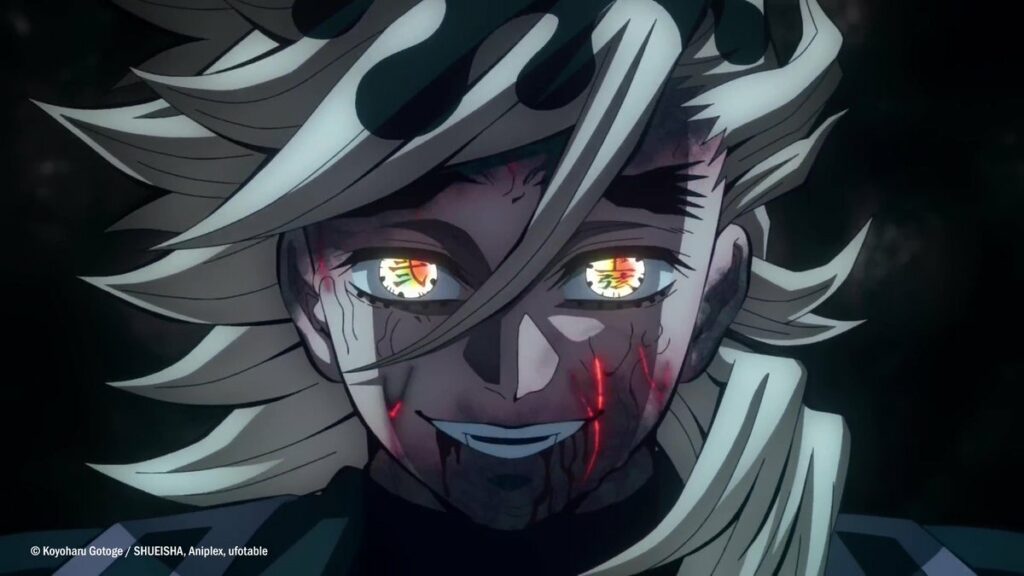
That bias also collides with content. Both Chainsaw Man and Demon Slayer: Kimetsu no Yaiba are not “adult” in the sense of being edgy for shock value. They are adult in the sense that they are emotionally intense, visually violent and serialized in ways that reward fandom literacy. That can be a hard sell to a voting body that often defaults to animation as a family category, even when the nominee slate includes more auteur-driven work.
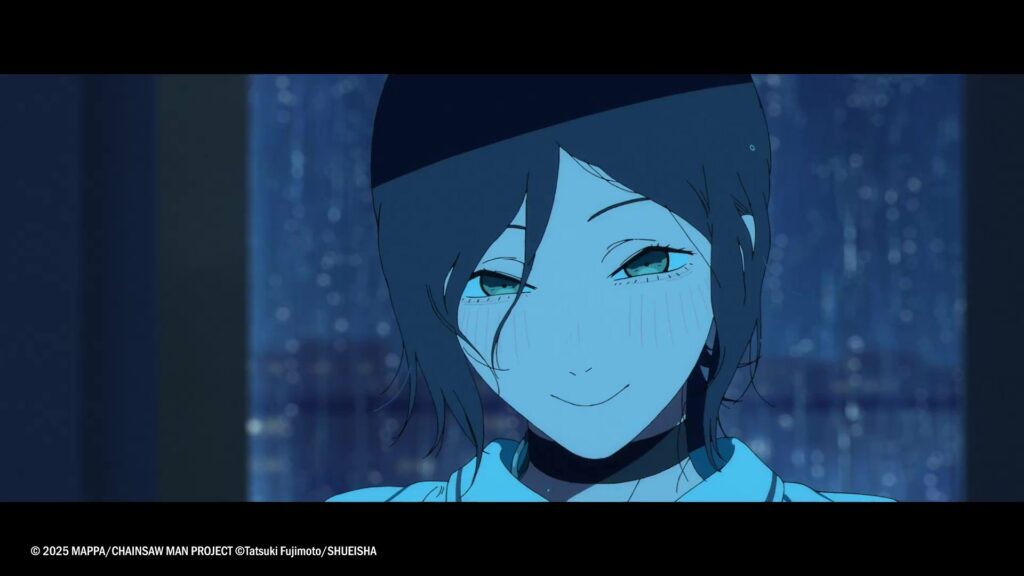
None of this requires a conspiracy. A five-slot category creates a brutal math problem. An industry that still associates animation with childhood creates a perception problem. Together, they produce the same outcome year after year: animated films that dominate pop culture can still feel invisible when Hollywood hands out its highest validation.
Fans can be right to be upset and still be missing the point. The question is not only why these two movies were not nominated. It is why animation remains boxed into a category that functions like a gated community, rather than woven across the Oscars as a full participant in cinema.
If the Academy wants to claim global relevance, it cannot treat animation as a side corridor. And if the industry wants to talk seriously about the future of theaters, it should not ignore the films that proved audiences will still show up, buy tickets and keep theatres alive, even when some of the picture of the year nominees, couldn’t.
————
AnimeTV チェーン bringing you the latest anime news direct from Japan ~ anytime! — Your new source of information!
Please note that this article is simply the opinion of Kiran Kane