
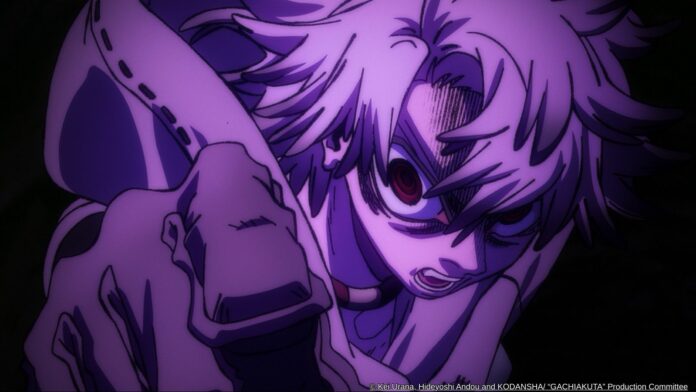
A good portion of action series gain recognition through flashy fights and witty dialogue. GACHIAKUTA earns attention through texture, attitude, and an aesthetic that feels carved out of the grime of its own world.
By Kei Urana, the protégé and successor to Atsushi Ohkubo, the mind behind Soul Eater and Fire Force. That lineage shows not through imitation but confidence. GACHIAKUTA commits to a visual identity that refuses to be clean. Lines are jagged. Shadows are heavy. The environments feel used and discarded, which is fitting for a story built around trash, both literal and symbolic.
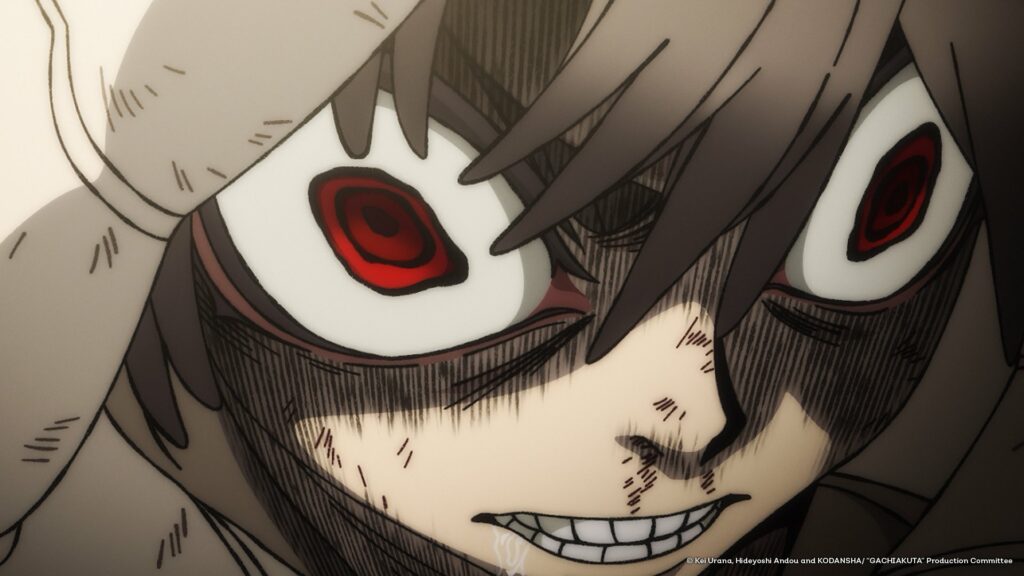
The art style is the series’ biggest strength. The production team even brought in graffiti artist Hideyoshi Andou to design the in world graffiti, and it pays off in every frame where paint bleeds across broken walls. These details do more than decorate the background. They define the world’s culture and give the setting a lived in authenticity rarely seen in shonen anime.
The premise is simple but fresh. Society throws away more than objects, and those who are cast aside are forced to survive in a brutal underworld built from refuse. It is a concept that immediately invites curiosity without drowning in exposition. The show trusts its audience to piece things together, which makes the early episodes especially compelling.
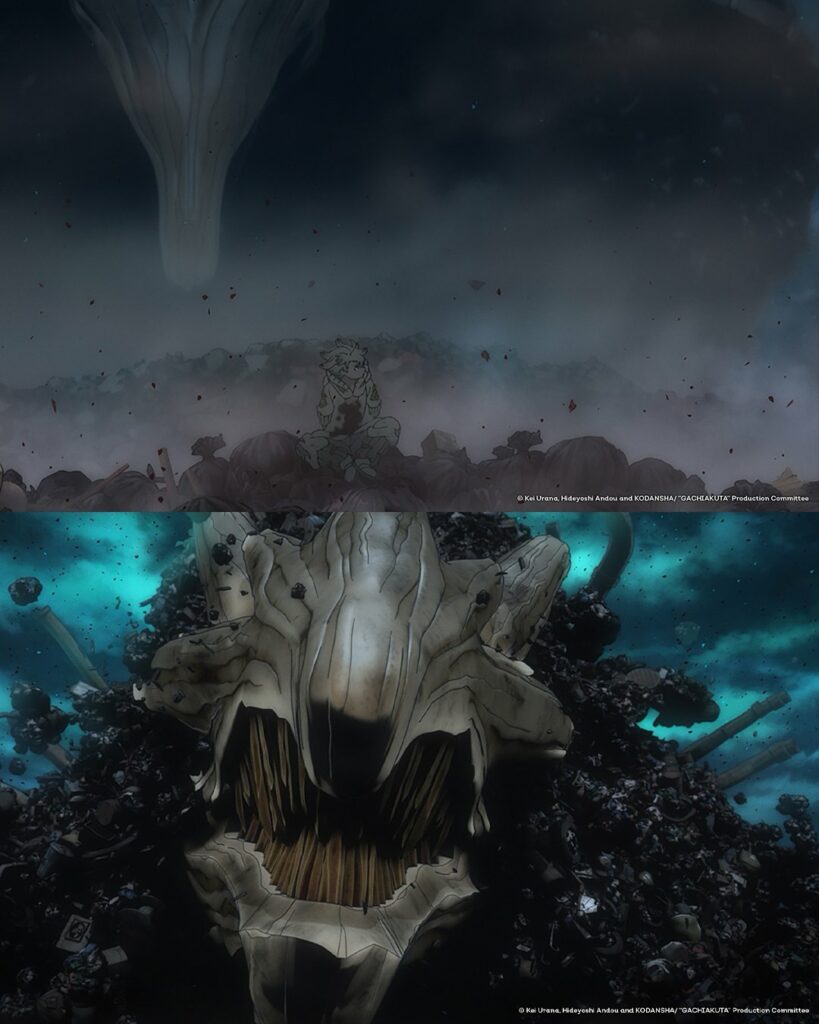
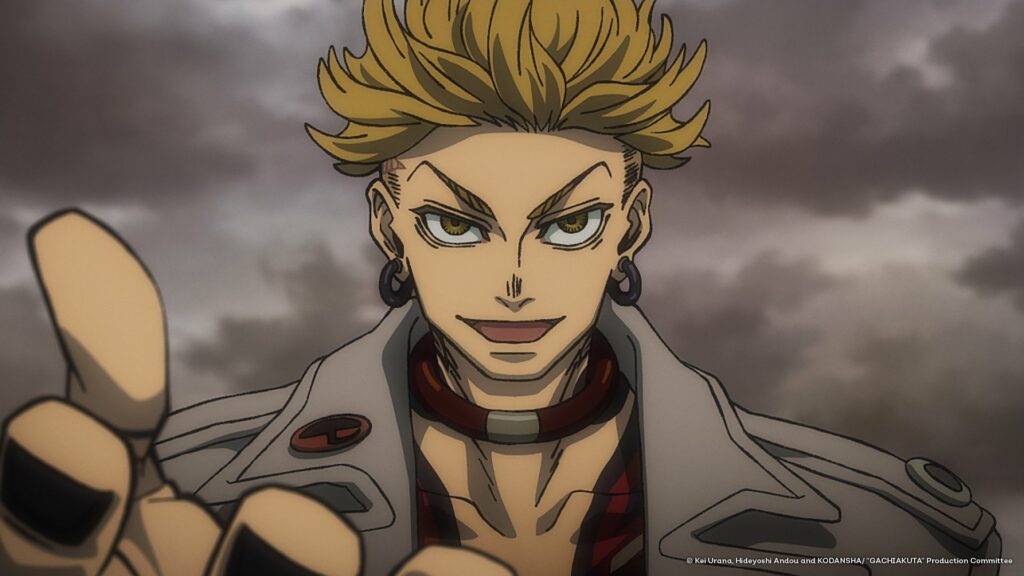
The cast carries that momentum. The characters are energetic, expressive, and distinct in both appearance and personality. Their designs are bold and compelling, with silhouettes that stand out even in crowded scenes. What surprised me most was how carefully their backstories are woven into the narrative and their personal designs. The emotional weight behind each character’s circumstances elevates the action from simple survival fights into something more personal. The highlight for me was not just the intense battles, but the immaculate character design and the way their histories inform every decision they make.
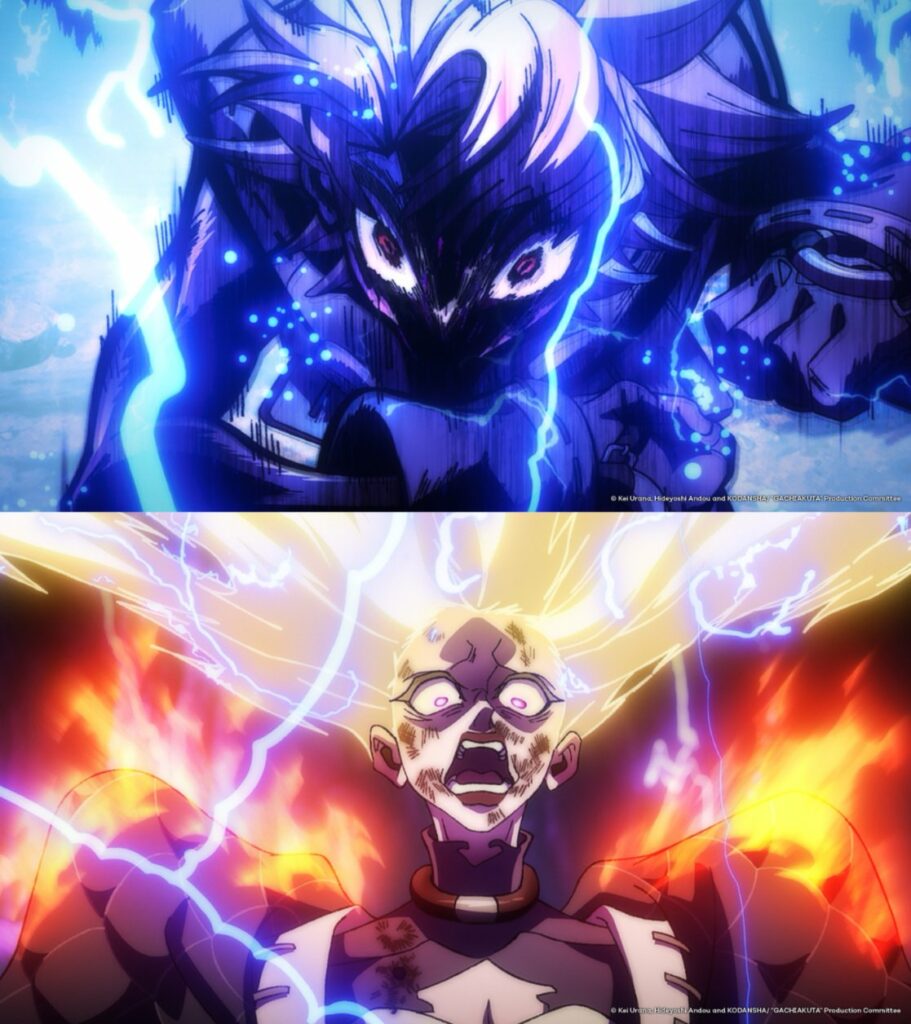
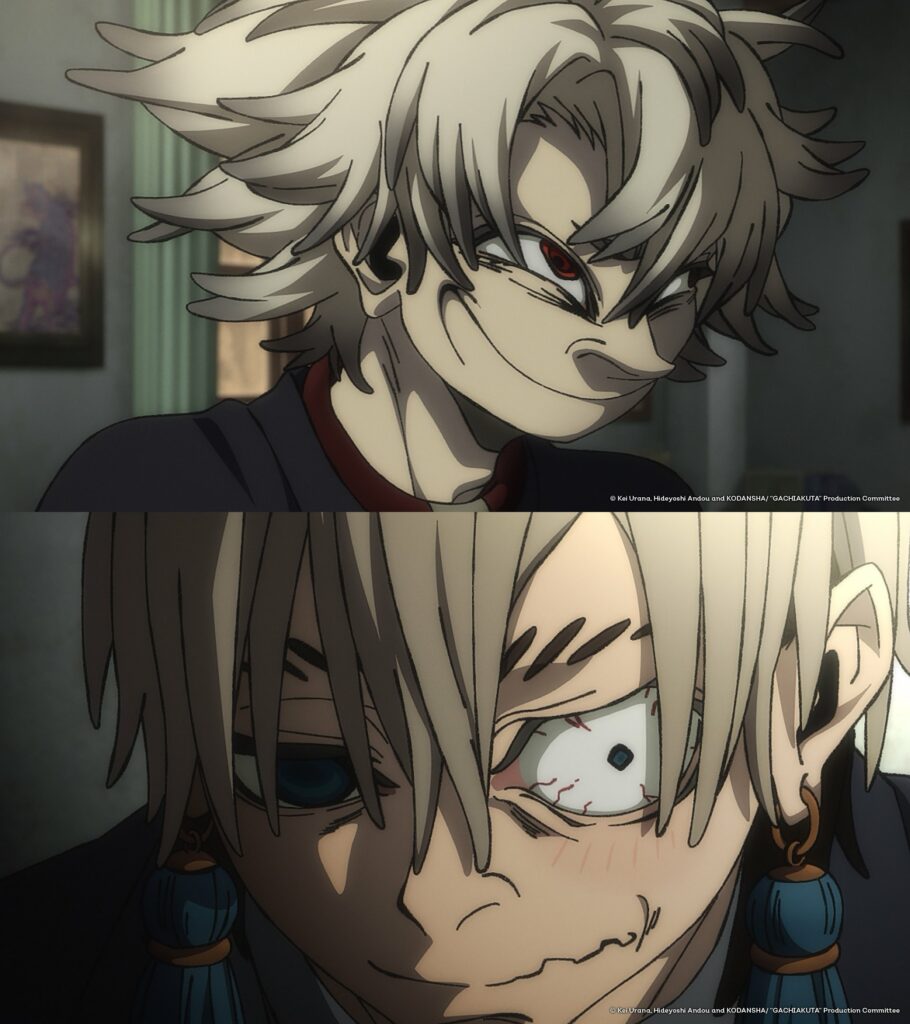
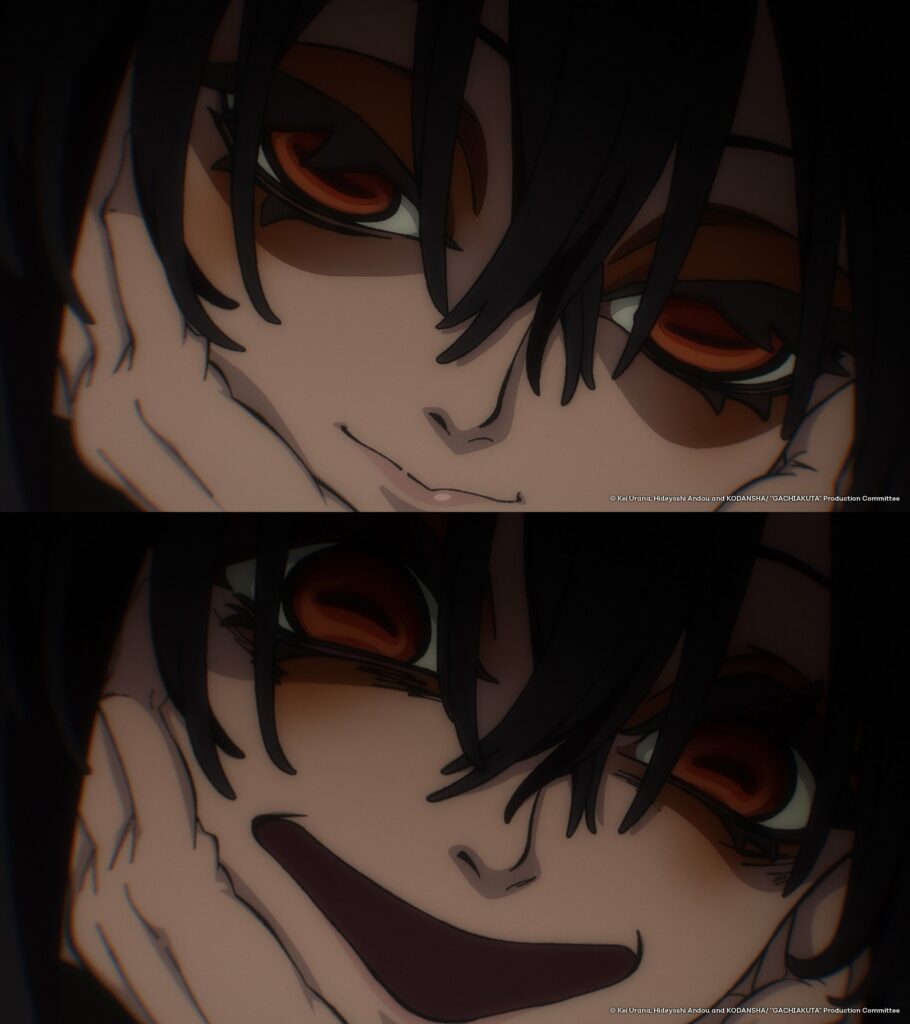
Both the sub and dub performances deserve praise. The voice acting captures the rawness of the world without overplaying it, balancing the emotion and humor in a way that feels natural. The dub in particular handles the emotional beats with care, making it an easy recommendation for viewers who prefer English performances.
Action scenes are fast and chaotic but never incoherent. The choreography keeps the stakes clear, and the rough visual style enhances the impact rather than obscuring it. Every clash feels physical, grounded in the grime of the setting rather than floating in abstract spectacle.
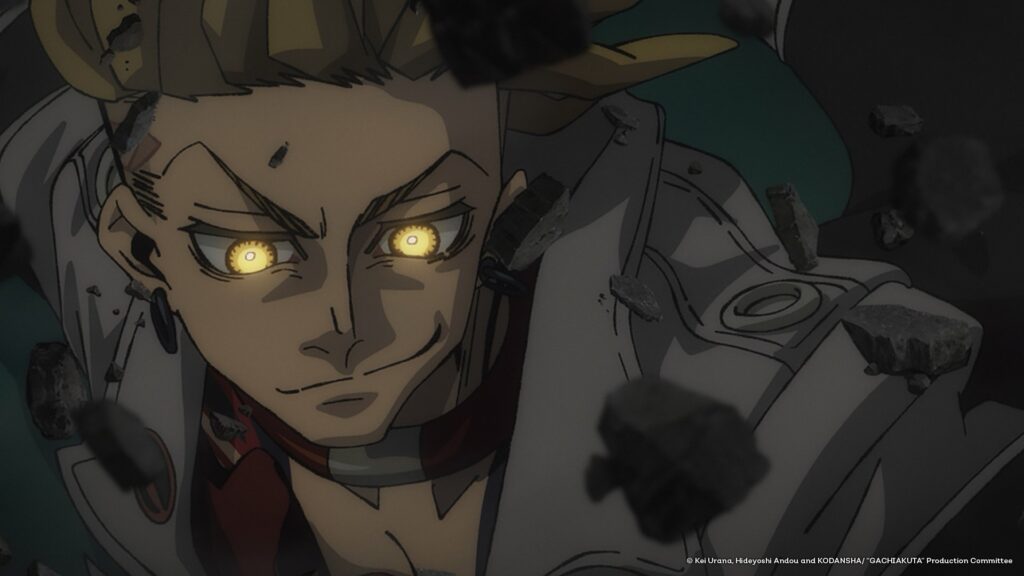
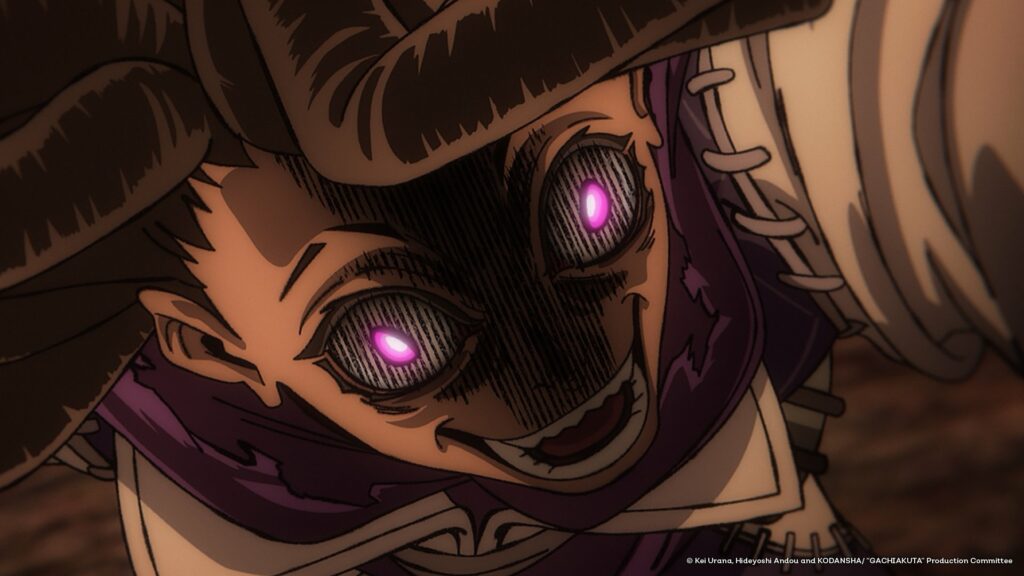
It is also commendable that GACHIAKUTA does not shy away from difficult subject matter. The series tackles themes that many action titles avoid or quickly brush past, including a heavy emphasis on sexual assault, political corruption, and systemic abuse, weaving them into the narrative without sensationalism. These elements are handled with restraint and purpose, grounding the story in uncomfortable realities that feel necessary rather than exploitative. By confronting these issues head on, the anime deepens its emotional impact and reinforces that its world is shaped by more than monsters and battles.

My first exposure to GACHIAKUTA came at Anime Expo, where Crunchyroll hosted an interactive booth that had attendees dig through trash for prizes. At the time, I had no idea what the show was about, but the experience was immediately intriguing. It was an unconventional way to market an anime, yet perfectly aligned with the series’ themes. That moment of curiosity turned into genuine excitement once the anime premiered, and it now feels like a clever introduction rather than a gimmick.
There are moments where the pacing stumbles, especially when the show pauses to explain its world. Still, those dips are brief and rarely derail the overall momentum. The foundation is strong enough that minor rough spots do not linger.
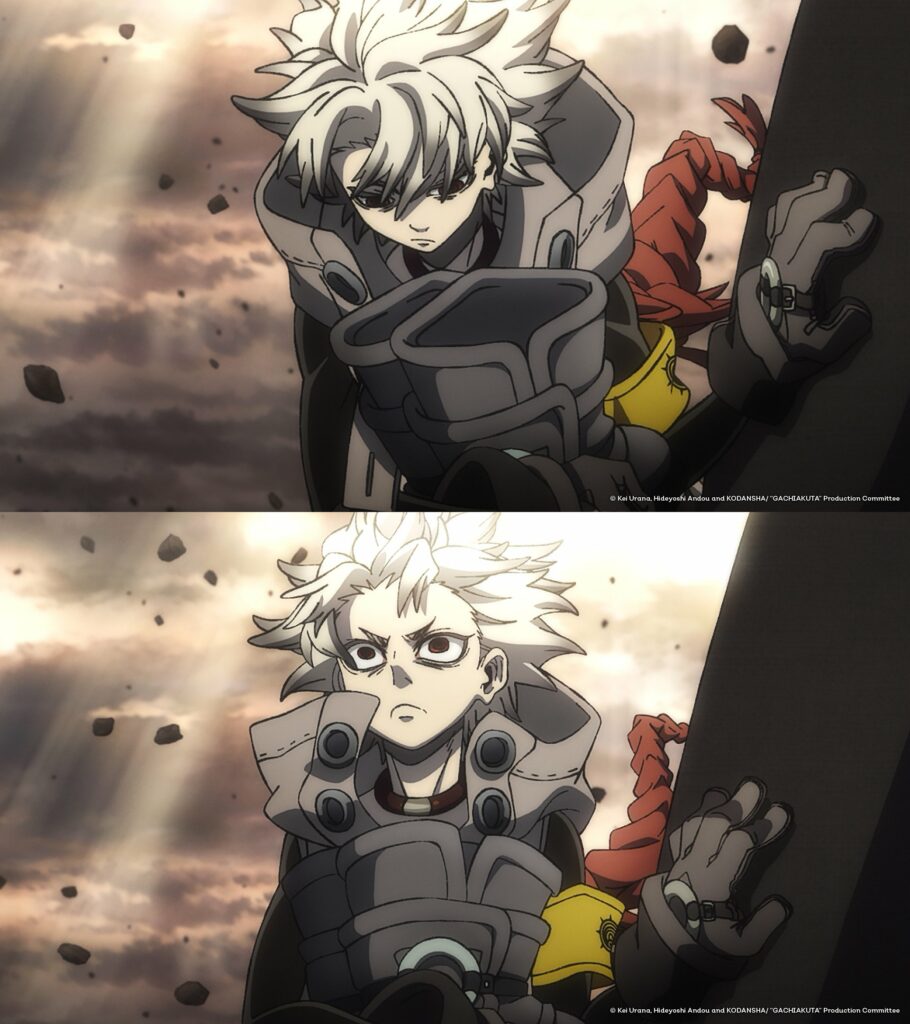
GACHIAKUTA is not trying to be the next big thing by copying trends. It builds its own lane through visual audacity, emotional backstories, and a world that feels as dangerous as it does alive. By the time the season wrapped, it had already earned my anticipation for what comes next. I am looking forward to a second season and the chance to dig deeper into a series that transforms trash into visual treasures.
©Kei Urana, Hideyoshi Andou and KODANSHA/ “GACHIAKUTA” Production Committee
————
AnimeTV チェーン bringing you the latest anime news direct from Japan ~ anytime! — Your new source of information!